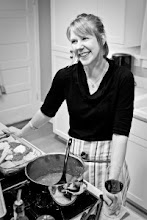
Anyone who grew up in a house where someone cooked regularly knows what it meant to discover the way their mom makes a beloved dish isn't at all what you're served when a neighbor kid invited you over for the same meal.
For me, one of those memorable moments happened when I moved to Fresno from Oklahoma for a summer internship in college. I'd befriended a crazy but fun page designer who sat next to me. She was about 10 years older and had just moved from the East Coast for the job. Both of us looking for friends in the office, we often ate lunch together in the company cafeteria. One day she brought leftover tuna casserole, and I mentioned that the homey casserole was one of my favorite comfort foods. She said the next time she made it that she'd bring me some for lunch.
I was excited at the thought, well, at least of the memory of my mom's dish. While the leftovers my friend brought me weren't horrible, it just wasn't what I was used to. I smelled the cream-of-something-soup and was immediately disappointed that it hadn't occurred to me that someone would make the dish without a homemade white sauce.
I made a dish tonight that I now know as chilaquiles. I was introduced to it after Karly and Jose brought us a huge and delicious pan of it after Jasper was born. After searching online for a recipe, I realized that there are probably no two people who make this dish the same way. It's even gone chic with a deconstructed blue-corn version created by Bobby Flay.
Chilaquiles is a common Mexican dish often served for breakfast. It's basically a leftover scramble or casserole. The common ingredient in all of the recipes I came across is tortillas. Some called for tortilla chips and others for stale corn tortillas. After that, the recipes start looking as varied as the versions of tuna casserole. Some call for eggs, others for chicken; some produce a nacho-like dish and others a scramble. The heart of the dish is that the tortillas soak up a sauce and become soft chunks.
I attempted to replicate the dish I was served. In my mind, the dish Karly and Jose brought will always be what I call chilaquiles. It uses beans for the protein, but, of course, feel free to add or substitute as you like.
This is the type of dish that is produced by home cooks in every culture around the world. Cooks take an inventory of what they've got on hand an improvise. Eventually, that dish turns into Mom's go-to meal, often making them the comfort foods that remind us of childhood. It's resourceful and practical, and it's something we've forgotten. Many of us go to the grocery store to buy a list of ingredients to make one meal. Of course there are times when that's needed, but if we could take a lesson from the great pantry cooks, we'd learn to waste less, spend less and create some heavenly dishes.
Chilaquiles
1 pound dried pinto beans
1 medium onion, diced
1 15-ounce can of diced tomatoes
1 8-ounce can of tomato paste
1 10-ounce can of red enchilada sauce
1 4-ounce can of green chiles
12 corn tortillas
3/4 cup sour cream
Cheese for topping (cheddar or jack)
Seasoning to taste (salt, pepper, chili powder)
Corn or other oil for frying
Cook the dried beans in generously salted water until tender. Drain cooking liquid from beans, reserving for later use. If tortillas are not stale, place on sheet pans in a single layer in a 300 degree oven until beginning to crisp. They will need to be turned over once. This process should take about 12 to 15 minutes. Remove from oven and let tortillas cool -- they should harden once cooled. In a heavy-bottomed skillet add enough corn oil to fill the pan about 1/2 inch deep. Heat oil until it bubbles rapidly when a small piece of tortilla is added. Fry the tortillas about 30 to 45 seconds per side. They should become slightly golden on the edges. Place fried tortillas on paper towels to drain and sprinkle with salt. In another pot, saute onion just until it begins to soften. Add canned ingredients and about 2 cups of the reserved cooking liquid from beans. Let ingredients come together and slightly thicken over a low heat for about 15 minutes. Taste for seasoning. Remove from heat. Add beans and sour cream; stir until combined. In a 13-by-9-inch casserole, use six tortillas to cover pan. Top with half of the bean mixture. Repeat the process, layer the remaining six tortillas and then the remainder of the bean mixture. Place in a 350-degree oven for 25 minutes or until heated through. Remove from oven and top with shredded cheese. Melt cheese under the broiler and serve warm.
Note: Canned beans could be substituted for the dried beans, adding both the beans and liquid to the mixture.
19 November 2008


17 November 2008
To stuff or not to stuff?
I know some people are purists when it comes to stuffing the actual bird. After all, it's called stuffing, right?
The reason that is frowned upon these days is that during the butchering process, the cavity of the bird is exposed, making it susceptible to bad germs. To kill those germs, the temperature must reach 160 degrees inside the middle of that stuffing.
Basic science says that if you pack the cavity full of bread, by the time the inside is 160 degrees, the outside of the bird will be well above that temperature, drying out the meat.
So, do what you wish, but I prefer to bake mine in a casserole dish and save my guests the possible stomach ache.
The reason that is frowned upon these days is that during the butchering process, the cavity of the bird is exposed, making it susceptible to bad germs. To kill those germs, the temperature must reach 160 degrees inside the middle of that stuffing.
Basic science says that if you pack the cavity full of bread, by the time the inside is 160 degrees, the outside of the bird will be well above that temperature, drying out the meat.
So, do what you wish, but I prefer to bake mine in a casserole dish and save my guests the possible stomach ache.
14 November 2008
A great meal from a modest soup
I was in my early 20s before I ever tasted split pea soup. It was at one of the better restaurants in the dinky town where I had my first newspaper job. It was a cafe decorated in country kitsch. But not that country-blue-and-duck theme. It was an updated twist with lots of reds, blacks and whites and the classic camping enamelware dishes. They had great soups and sandwiches, and a group of us young news reporters would escape on dreary Northwest winter days for a long lunch to gossip and bitch.
It was at this cafe that I discovered I really loved split pea soup. It felt like a hearty soup for a cool day -- thick and rich with an appealing simplicity. And it is simple. It can be made with merely water, dried peas and seasoning. But add a few more ingredients and this humble dish can be elevated to a great meal.
Ham is the classic pairing with this soup, and smoked ham hocks would be a lovely addition.
I made a version by frying a few slices of bacon. Then I caramelized onions in the bacon drippings and reserved both ingredients for later. Deglaze the pot with stock and add the peas. Cook on a low heat, slowly bubbling for about an hour. Season soup as needed, and finish off with a little milk or half and half. Crumble bacon and warm it along with the onions. Top soup with a generous mound of the sweet onions and salty bacon. I also added some small croutons made with some leftover bread, olive oil, salt and pepper.
The dish was a welcome meal on a cool night, and the richness of the simple ingredients made it feel like a dish far from its humble roots.
It was at this cafe that I discovered I really loved split pea soup. It felt like a hearty soup for a cool day -- thick and rich with an appealing simplicity. And it is simple. It can be made with merely water, dried peas and seasoning. But add a few more ingredients and this humble dish can be elevated to a great meal.
Ham is the classic pairing with this soup, and smoked ham hocks would be a lovely addition.
I made a version by frying a few slices of bacon. Then I caramelized onions in the bacon drippings and reserved both ingredients for later. Deglaze the pot with stock and add the peas. Cook on a low heat, slowly bubbling for about an hour. Season soup as needed, and finish off with a little milk or half and half. Crumble bacon and warm it along with the onions. Top soup with a generous mound of the sweet onions and salty bacon. I also added some small croutons made with some leftover bread, olive oil, salt and pepper.
The dish was a welcome meal on a cool night, and the richness of the simple ingredients made it feel like a dish far from its humble roots.
11 November 2008
Roast Chicken
This posting is more practical than poetic.
The economy is in the tank, and, for the time being, at least, we're down to one income. Oh yeah, and I have a much different allotment of time to devote to cooking since Jasper's arrival. That means a shift in my meal prep habits -- instead of spending an hour after work on dinner, I now have 10 to 15-minute blocks throughout the day that I can spend doing little bits of prep. I also have to be mindful of when I can afford to leave something on the stovetop or in the oven, and when I can't.
So, in an attempt to feed my family well on a budget and with little time, I resorted to one of the oldest tricks in the home cook's book: the roast chicken. I did roast my own, just gave him a healthy dose of salt, pepper and olive oil and put him in the oven until he hit 150 degrees (poultry should be cooked to 160, so remove your bird at 150 and let it rest for 15 or so minutes under some foil, and it'll hit the right temp). Then, after the chicken cooled, I removed all the meat and into a plastic container it went. My mom recently told me she roasts a whole chicken in her slow cooker. Haven't tried it yet, but I will next time.
Of course, there's no shame in picking up one of the roasted chickens they sell in the grocery store. It cuts down on your time in the kitchen, and they are pretty affordable.
So what's next? Well, you could serve a perfectly acceptable Sunday dinner of roast chicken, a starch and a veg. Then use your leftovers later in the week. Here's what I did with mine. I got three dinners out of the bird, plus a lunch or two of the dinner leftovers. Not bad for $5 worth of chicken. Aside from the chickens, each of these meals basically has one other main ingredient: noodles, flour or rice. Notice these are all pantry staples. And for the list of veggies that go with each meal, it's pretty easy to simply substitute with whatever you've got on hand.
Meal 1
Peanut noodles topped with sliced red peppers, carrot ribbons, green onions, chicken and black sesame seeds
This dish is easily made in stages, and since it's best served room temp, it's ready whenever you are. The sauce for the noodles sounds complicated, but if you've got a food processor, it's actually very easy. There are lots of recipes out there, but click here for the one I use. Boil the noodles to al dente and let them soak up the sauce for a couple of hours for best results. Spend five minutes slicing the veggies, and then come dinner time it's just a quick assembly.
Meal 2
Chicken Pot Pie
This is a favorite of mine. A quick roux turns into a white sauce to create the heart of this dish. A quick steam of carrots and potatoes gives them a jump start on cooking. To the sauce, add the steamed carrots, potatoes, corn and peas (I use frozen for both of these). Then add diced chicken. Pour into a baking dish and refrigerate if not cooking immediately. Make a biscuit dough and cut out thin rounds. I then freeze my biscuits as you get the best rise and layers from super cold butter. Use store bought biscuit dough if you prefer. Bake the filling until warmed through and bubbling. Remove from oven, top with unbaked biscuits and return to oven to bake biscuits. Leave any leftover biscuit rounds in the freezer for breakfast.
Meal 3
Southwest Chicken Bowl
This recipe is from Mike. He made it for us on a trip to the coast a few years ago. It's basically a rice bowl with corn, black beans, onion, red pepper, lime, avocado and chicken. It's quite good and easy to make. It, too, can be made in stages and refrigerated. It is great served room temp or warm. If you have it on hand, add cilantro and sour cream for garnish.
The economy is in the tank, and, for the time being, at least, we're down to one income. Oh yeah, and I have a much different allotment of time to devote to cooking since Jasper's arrival. That means a shift in my meal prep habits -- instead of spending an hour after work on dinner, I now have 10 to 15-minute blocks throughout the day that I can spend doing little bits of prep. I also have to be mindful of when I can afford to leave something on the stovetop or in the oven, and when I can't.
So, in an attempt to feed my family well on a budget and with little time, I resorted to one of the oldest tricks in the home cook's book: the roast chicken. I did roast my own, just gave him a healthy dose of salt, pepper and olive oil and put him in the oven until he hit 150 degrees (poultry should be cooked to 160, so remove your bird at 150 and let it rest for 15 or so minutes under some foil, and it'll hit the right temp). Then, after the chicken cooled, I removed all the meat and into a plastic container it went. My mom recently told me she roasts a whole chicken in her slow cooker. Haven't tried it yet, but I will next time.
Of course, there's no shame in picking up one of the roasted chickens they sell in the grocery store. It cuts down on your time in the kitchen, and they are pretty affordable.
So what's next? Well, you could serve a perfectly acceptable Sunday dinner of roast chicken, a starch and a veg. Then use your leftovers later in the week. Here's what I did with mine. I got three dinners out of the bird, plus a lunch or two of the dinner leftovers. Not bad for $5 worth of chicken. Aside from the chickens, each of these meals basically has one other main ingredient: noodles, flour or rice. Notice these are all pantry staples. And for the list of veggies that go with each meal, it's pretty easy to simply substitute with whatever you've got on hand.
Meal 1
Peanut noodles topped with sliced red peppers, carrot ribbons, green onions, chicken and black sesame seeds
This dish is easily made in stages, and since it's best served room temp, it's ready whenever you are. The sauce for the noodles sounds complicated, but if you've got a food processor, it's actually very easy. There are lots of recipes out there, but click here for the one I use. Boil the noodles to al dente and let them soak up the sauce for a couple of hours for best results. Spend five minutes slicing the veggies, and then come dinner time it's just a quick assembly.
Meal 2
Chicken Pot Pie
This is a favorite of mine. A quick roux turns into a white sauce to create the heart of this dish. A quick steam of carrots and potatoes gives them a jump start on cooking. To the sauce, add the steamed carrots, potatoes, corn and peas (I use frozen for both of these). Then add diced chicken. Pour into a baking dish and refrigerate if not cooking immediately. Make a biscuit dough and cut out thin rounds. I then freeze my biscuits as you get the best rise and layers from super cold butter. Use store bought biscuit dough if you prefer. Bake the filling until warmed through and bubbling. Remove from oven, top with unbaked biscuits and return to oven to bake biscuits. Leave any leftover biscuit rounds in the freezer for breakfast.
Meal 3
Southwest Chicken Bowl
This recipe is from Mike. He made it for us on a trip to the coast a few years ago. It's basically a rice bowl with corn, black beans, onion, red pepper, lime, avocado and chicken. It's quite good and easy to make. It, too, can be made in stages and refrigerated. It is great served room temp or warm. If you have it on hand, add cilantro and sour cream for garnish.
22 October 2008
Grace
It's been just over three weeks since our lives were changed forever. Jasper Elliott Prince was born on Sept. 29, and it was then that time seemed to stop. We had a few setbacks that slowed our recovery a little, and when we came home from the hospital we were all in a fog.
That's when grace showed up at our doorstep.
In Elizabeth Gilbert's much-praised book "Eat Pray Love," she talks about grace, about how it percolates differently in each of us. If I had more time or patience, I'd search through the book and find the passage, but if I had more time and patience I might just use the time to do some laundry, clean something around the house, take the dog for a walk or just take a nap.
Gilbert mentions that her sister sees her as graceful, and she does so in a way that denotes she herself is missing the quality. But Gilbert says her sister does graceful things she'd never done. Specifically, she says that her sister is the type who takes a casserole to a friend or neighbor who's just had a baby.
That is grace.
And we were blessed to have so many graceful friends. In the days following our return home, we had a different set of friends showing up each night to bring us food. This is something my group of girlfriends has done regularly (well, as regularly as people have babies), but I've always been on the giving end, not the receiving. Until now.
I was overwhelmed at the generosity. A friend who pulled together a fabulous meal on extremely short notice the day we left the hospital. Another who made delicious, 18-hour homemade bread to go with her pasta figioli. One who made us one of his mother's best cake recipes and then confessed that he'd never baked a cake before. The soups, the casseroles, the lasagnas were delicious. We got spoiled, having almond bars, pecan bars and brownies after every meal as well.
We felt lucky enough to make it home after this incredible journey with a happy, healthy baby boy. But then again, I guess the blessings of our friends aren't luck. We seek them out, nourish our relationships and provide for them when they need, too. What we are is thankful to be part of an amazing group of people.
We are thankful that grace showed up at our door.
That's when grace showed up at our doorstep.
In Elizabeth Gilbert's much-praised book "Eat Pray Love," she talks about grace, about how it percolates differently in each of us. If I had more time or patience, I'd search through the book and find the passage, but if I had more time and patience I might just use the time to do some laundry, clean something around the house, take the dog for a walk or just take a nap.
Gilbert mentions that her sister sees her as graceful, and she does so in a way that denotes she herself is missing the quality. But Gilbert says her sister does graceful things she'd never done. Specifically, she says that her sister is the type who takes a casserole to a friend or neighbor who's just had a baby.
That is grace.
And we were blessed to have so many graceful friends. In the days following our return home, we had a different set of friends showing up each night to bring us food. This is something my group of girlfriends has done regularly (well, as regularly as people have babies), but I've always been on the giving end, not the receiving. Until now.
I was overwhelmed at the generosity. A friend who pulled together a fabulous meal on extremely short notice the day we left the hospital. Another who made delicious, 18-hour homemade bread to go with her pasta figioli. One who made us one of his mother's best cake recipes and then confessed that he'd never baked a cake before. The soups, the casseroles, the lasagnas were delicious. We got spoiled, having almond bars, pecan bars and brownies after every meal as well.
We felt lucky enough to make it home after this incredible journey with a happy, healthy baby boy. But then again, I guess the blessings of our friends aren't luck. We seek them out, nourish our relationships and provide for them when they need, too. What we are is thankful to be part of an amazing group of people.
We are thankful that grace showed up at our door.
26 September 2008
Raw Apple Muffins
Today I needed to bake something. Waiting for a baby to come -- even when feeling awful -- can get a little mundane. And yesterday I noticed that we'd eaten the peaches and berries we'd bought at the market last weekend, but we hadn't eaten all of the apples. So naturally, while laying awake in best last night, I figured I'd make Raw Apple Muffins with them.
The muffin recipe was one that Christiane introduced me to, but it wasn't until I ran across the recipe in Marion Cunningham's "Breakfast Book" that I copied the recipe for myself. It's a simple recipe that seems fairly foolproof if you follow Marion's advice. The best part of this recipe is that I've got the ingredients on hand pretty much any time except the peak of summer when apples are hard to come by (at least good ones).
The result is a dense, fruit-filled muffin that has some depth to it that can be hard to come by in a world where muffins are often thought of as a super-sweet, cakey pastry made fake-tasting berries. (If this describes what you call a muffin, you are under strict orders to go to a REAL bakery -- not in a grocery store, you must be able to see people making baked goods and the staff should be able to describe tastes, textures and ingredients -- ASAP.)
Take the extra step and follow the directions to use three separate bowls. And if you've got disposable gloves in your kitchen, put a pair on and do use your hands to mix. Even if you don't have gloves, your hands still are the best option to combine the ingredients because it is a thick, chunky batter.
Here's the recipe. Enjoy, and don't dare cut the recipe down -- these muffins freeze really well, so any extras need not go to waste!
Raw Apple Muffins
from Marion Cunnigham's "Breakfast Book"
4 cups diced apple (peeled or unpeeled)
1 cup of sugar
2 eggs, slightly beaten
1/2 cup oil (corn oil is very good)
2 teaspoons vanilla extract
2 cups all-purpose flour
2 teaspoons baking soda
2 teaspoons cinnamon
1 teaspoon salt
1 cup raisins
1 cup broken walnuts
Preheat the oven to 325 degrees. Grease 16 muffin tins.
Put 3 mixing bowls on the counter. Mix the apples and sugar in one bowl and set aside. Put the eggs, oil and vanilla in a second bowl and stir to blend well. In the third bowl, put the flour, baking soda, cinnamon, and salt, and stir the mixture with a fork until blended.
Stir the egg mixture in to the apples and sugar, and mix thoroughly. Sprinkle the flour mixture over the apple mixture and mis well. (I use my hands because this is a stiff batter.) Sprinkle the raisans and walnuts over the batter and mix until they are evenly distributed. Spoon into the muffin tins.
Bake for about 25 minutes or until a straw comes out clean when inserted into the center of a muffin. Serve warm.
The muffin recipe was one that Christiane introduced me to, but it wasn't until I ran across the recipe in Marion Cunningham's "Breakfast Book" that I copied the recipe for myself. It's a simple recipe that seems fairly foolproof if you follow Marion's advice. The best part of this recipe is that I've got the ingredients on hand pretty much any time except the peak of summer when apples are hard to come by (at least good ones).
The result is a dense, fruit-filled muffin that has some depth to it that can be hard to come by in a world where muffins are often thought of as a super-sweet, cakey pastry made fake-tasting berries. (If this describes what you call a muffin, you are under strict orders to go to a REAL bakery -- not in a grocery store, you must be able to see people making baked goods and the staff should be able to describe tastes, textures and ingredients -- ASAP.)
Take the extra step and follow the directions to use three separate bowls. And if you've got disposable gloves in your kitchen, put a pair on and do use your hands to mix. Even if you don't have gloves, your hands still are the best option to combine the ingredients because it is a thick, chunky batter.
Here's the recipe. Enjoy, and don't dare cut the recipe down -- these muffins freeze really well, so any extras need not go to waste!
Raw Apple Muffins
from Marion Cunnigham's "Breakfast Book"
4 cups diced apple (peeled or unpeeled)
1 cup of sugar
2 eggs, slightly beaten
1/2 cup oil (corn oil is very good)
2 teaspoons vanilla extract
2 cups all-purpose flour
2 teaspoons baking soda
2 teaspoons cinnamon
1 teaspoon salt
1 cup raisins
1 cup broken walnuts
Preheat the oven to 325 degrees. Grease 16 muffin tins.
Put 3 mixing bowls on the counter. Mix the apples and sugar in one bowl and set aside. Put the eggs, oil and vanilla in a second bowl and stir to blend well. In the third bowl, put the flour, baking soda, cinnamon, and salt, and stir the mixture with a fork until blended.
Stir the egg mixture in to the apples and sugar, and mix thoroughly. Sprinkle the flour mixture over the apple mixture and mis well. (I use my hands because this is a stiff batter.) Sprinkle the raisans and walnuts over the batter and mix until they are evenly distributed. Spoon into the muffin tins.
Bake for about 25 minutes or until a straw comes out clean when inserted into the center of a muffin. Serve warm.
13 September 2008
Comfort Foods
Being two and half weeks from my due date, I now know how women get the courage to endure labor, perhaps even with gusto. I am so miserable most of the time that the thought of bringing this chapter to a close sounds delightful, even if it could involve hours of sporadic pain, hospital machines and perhaps even stitches (yikes!).
Of course I'm ecstatic to meet our little guy and that, too, is great motivation. But the yo-yo of lack of sleep one day and zombie symptoms the next coupled with constant but not-yet-productive contractions are driving me crazy.
So, if I find a couple of minutes of comfort in something as simple as pudding, don't judge.
I can't remember the last time I made pudding (given the above comments, of course I'm speaking of instant pudding). It's been so long I forgot how easy and fast it is. Just mix the powder with milk and wait five minutes.
Lime green pistachio pudding never tasted so good. Sweet, cool and creamy.
The pudding binge was a bit random for me, but perhaps it fits in well with my overall pattern of shopping, cooking and eating lately. My grocery bills have crept up in the past few weeks as I've thrown things in the cart that I haven't dared to buy in years -- Keebler cookies (Deluxe Grahams and Fudge Stripes), powdered lemonade, Saltine crackers and, yes, Jell-O instant pudding.
I've had several people ask me whether I've had strange pregnancy cravings. I wouldn't say that I've had cravings. I had the very common food aversions in the first few months, but I have never had a hankering for pickles and ice cream. I'm pretty sure this is a myth, much like pregnancy lasting nine months (it's actually nine and half, and if you think those last two weeks don't matter, I dare you to call me right now).
The foods I'm craving now aren't strange or gross. They are very much in line with things I've craved when I've been very sick. They're my comfort foods. By that I mean they're foods I found in my mom's kitchen when I was a kid. And these are just the packaged foods. I've also indulged in a dish my dad used to make us for breakfast, a poached egg on top of toast with syrup, and last week I made a mean tuna casserole straight from my mom's recipe one night and a heaping pile of mashed potatoes another night.
There is a deep connection between the foods of our childhood and those we crave when we're in need of something later life -- sick, sad or celebrating. That explains why ethnic foods are such a huge part of immigrant culture. And why, in nearly every culture, holiday traditions are closely tied to foods.
So make sure you've got something in your pantry that can pass as a comfort food in a fix. You never know when you need a little something to lift your spirits. If you're pregnant, I'd advise upping the rations -- you're gonna need it. In the meantime, I'll manage through the next few weeks with pudding what ever other quick, random dishes I can gather the courage to throw together. I'll keep in mind, however, that a few weeks after Lil P is born, my mom will come for a visit. I'm hoping she brings a hankering to comfort us with some great foods. Somehow, I think she'll be more than happy to!
Of course I'm ecstatic to meet our little guy and that, too, is great motivation. But the yo-yo of lack of sleep one day and zombie symptoms the next coupled with constant but not-yet-productive contractions are driving me crazy.
So, if I find a couple of minutes of comfort in something as simple as pudding, don't judge.
I can't remember the last time I made pudding (given the above comments, of course I'm speaking of instant pudding). It's been so long I forgot how easy and fast it is. Just mix the powder with milk and wait five minutes.
Lime green pistachio pudding never tasted so good. Sweet, cool and creamy.
The pudding binge was a bit random for me, but perhaps it fits in well with my overall pattern of shopping, cooking and eating lately. My grocery bills have crept up in the past few weeks as I've thrown things in the cart that I haven't dared to buy in years -- Keebler cookies (Deluxe Grahams and Fudge Stripes), powdered lemonade, Saltine crackers and, yes, Jell-O instant pudding.
I've had several people ask me whether I've had strange pregnancy cravings. I wouldn't say that I've had cravings. I had the very common food aversions in the first few months, but I have never had a hankering for pickles and ice cream. I'm pretty sure this is a myth, much like pregnancy lasting nine months (it's actually nine and half, and if you think those last two weeks don't matter, I dare you to call me right now).
The foods I'm craving now aren't strange or gross. They are very much in line with things I've craved when I've been very sick. They're my comfort foods. By that I mean they're foods I found in my mom's kitchen when I was a kid. And these are just the packaged foods. I've also indulged in a dish my dad used to make us for breakfast, a poached egg on top of toast with syrup, and last week I made a mean tuna casserole straight from my mom's recipe one night and a heaping pile of mashed potatoes another night.
There is a deep connection between the foods of our childhood and those we crave when we're in need of something later life -- sick, sad or celebrating. That explains why ethnic foods are such a huge part of immigrant culture. And why, in nearly every culture, holiday traditions are closely tied to foods.
So make sure you've got something in your pantry that can pass as a comfort food in a fix. You never know when you need a little something to lift your spirits. If you're pregnant, I'd advise upping the rations -- you're gonna need it. In the meantime, I'll manage through the next few weeks with pudding what ever other quick, random dishes I can gather the courage to throw together. I'll keep in mind, however, that a few weeks after Lil P is born, my mom will come for a visit. I'm hoping she brings a hankering to comfort us with some great foods. Somehow, I think she'll be more than happy to!
04 September 2008
Casserole Kick
I'm on a casserole kick lately. Blame it on the final weeks of pregnancy or a recent late-summer dose of cool weather and rain. Whatever the case, I've made two dishes recently that while aren't new, they were new to me. Both were inspired by items I had in my pantry and veggie basket.
The first is a dish I'll call Just Veg Lasagna. It started with slices of zucchini, eggplant and carrots. The large chunks of vegetable sliced about 1/4 inch think got a toss in olive oil, salt and pepper and then headed for a trip under the broiler until lightly browned and cooked thoroughly. A red sauce combined sauteed onions, fresh tomatoes, canned tomatoes and their juice over a medium heat to reduce. Once about half the liquid was reduced, I popped that mixture into the food processor with a handful of pitted black olives and bread crumbs. Then I simply built my casserole, lasagna style, alternating layers of the veggies, sauce and cheese. A quick trip in the oven to melt the cheese (finished under the broiler for browning), finished the dish.
The second dish was a version of the old Tamale Pie. I cooked polenta with some salsa verde (the kind for enchiladas, not chips), frozen corn and a good dose of salt. Once cooked, I added in some shredded cheddar. I spread the polenta in the bottom of a casserole in an even layer. Then I combined some leftover cooked ground pork, a can of rinse and drained beans, sauteed onions, chili powder and salt. That mixture was spread on evenly over the polenta layer and then topped with cheddar. The dish was warmed in the oven and also finished under the broiler to brown cheese.
As Seth said, the dishes weren't quite gourmet, but he did ask for seconds.
The first is a dish I'll call Just Veg Lasagna. It started with slices of zucchini, eggplant and carrots. The large chunks of vegetable sliced about 1/4 inch think got a toss in olive oil, salt and pepper and then headed for a trip under the broiler until lightly browned and cooked thoroughly. A red sauce combined sauteed onions, fresh tomatoes, canned tomatoes and their juice over a medium heat to reduce. Once about half the liquid was reduced, I popped that mixture into the food processor with a handful of pitted black olives and bread crumbs. Then I simply built my casserole, lasagna style, alternating layers of the veggies, sauce and cheese. A quick trip in the oven to melt the cheese (finished under the broiler for browning), finished the dish.
The second dish was a version of the old Tamale Pie. I cooked polenta with some salsa verde (the kind for enchiladas, not chips), frozen corn and a good dose of salt. Once cooked, I added in some shredded cheddar. I spread the polenta in the bottom of a casserole in an even layer. Then I combined some leftover cooked ground pork, a can of rinse and drained beans, sauteed onions, chili powder and salt. That mixture was spread on evenly over the polenta layer and then topped with cheddar. The dish was warmed in the oven and also finished under the broiler to brown cheese.
As Seth said, the dishes weren't quite gourmet, but he did ask for seconds.
04 August 2008
Butter, honey
I remember spending several evenings when I was a kid watching my mom make dinner. I don't remember what exactly drew me in, but judging by my vivid memories, I enjoyed it.
I remember my mom making a roux in a red, heavy-bottomed sauce pan. It was one of those pans that had very specific duties in our kitchen, and spotting it on the stove meant mom was making a cheese sauce she'd turn into tuna casserole. The dish is still one of my favorites, and probably without even knowing it, my mom also taught me how to make a great mac and cheese.
One particular evening when I was in elementary school, I remember watching my mom melt butter (OK, that's what we called it, but it was really margarine. It was the 1980s and my mom was a cardiac nurse. Sweet cream unsalted never stood a chance in our house.) in the red pan. The yellow tub sat on the counter crowded between the stove and the fridge. As she used a wooden spoon to move around the melting butter, I asked why we never ate butter by itself.
I have no idea what exactly she said to me, but I remember that she put some on a spoon and told me to eat it. I did. A spoonful of yellow margarine. While I can't remember what happened next, I'm guessing that my mom had a matter-of-fact, "Now do you understand?" response.
What I do remember quite clearly is that from that exact moment I understood that some foods were merely meant to make other foods tastier. This sounds simple when you use an example like butter, but think about all the things we keep in our pantries that are waiting not to take the glory themselves but to let some other food shine. Think of salt, garlic, spices and sweeteners.
I consider this tiny moment one of the first in my culinary education. Whether it was the quirky question or my mom's genius response, it's stuck with me for decades. I was reminded of it this weekend when I made some whipped honey butter and Seth, jokingly, asked me if he could eat it alone.
Instead, we enjoyed it slightly warm and easily spread on potato rolls. It was delicious with our oven-fried chicken, mac and cheese and green bean salad. I was happy to let the butter do its job, making by store-bought rolls into something special.
Honey Butter
1 stick of butter
Approx. 1/4 cup honey
Let a stick of butter sit out on the counter until softened. Place in mixer or bowl with a hand held mixer. Add honey to desired sweetness. Beat butter and honey until combined. Use immediately or fill molds and chill.
I remember my mom making a roux in a red, heavy-bottomed sauce pan. It was one of those pans that had very specific duties in our kitchen, and spotting it on the stove meant mom was making a cheese sauce she'd turn into tuna casserole. The dish is still one of my favorites, and probably without even knowing it, my mom also taught me how to make a great mac and cheese.
One particular evening when I was in elementary school, I remember watching my mom melt butter (OK, that's what we called it, but it was really margarine. It was the 1980s and my mom was a cardiac nurse. Sweet cream unsalted never stood a chance in our house.) in the red pan. The yellow tub sat on the counter crowded between the stove and the fridge. As she used a wooden spoon to move around the melting butter, I asked why we never ate butter by itself.
I have no idea what exactly she said to me, but I remember that she put some on a spoon and told me to eat it. I did. A spoonful of yellow margarine. While I can't remember what happened next, I'm guessing that my mom had a matter-of-fact, "Now do you understand?" response.
What I do remember quite clearly is that from that exact moment I understood that some foods were merely meant to make other foods tastier. This sounds simple when you use an example like butter, but think about all the things we keep in our pantries that are waiting not to take the glory themselves but to let some other food shine. Think of salt, garlic, spices and sweeteners.
I consider this tiny moment one of the first in my culinary education. Whether it was the quirky question or my mom's genius response, it's stuck with me for decades. I was reminded of it this weekend when I made some whipped honey butter and Seth, jokingly, asked me if he could eat it alone.
Instead, we enjoyed it slightly warm and easily spread on potato rolls. It was delicious with our oven-fried chicken, mac and cheese and green bean salad. I was happy to let the butter do its job, making by store-bought rolls into something special.
Honey Butter
1 stick of butter
Approx. 1/4 cup honey
Let a stick of butter sit out on the counter until softened. Place in mixer or bowl with a hand held mixer. Add honey to desired sweetness. Beat butter and honey until combined. Use immediately or fill molds and chill.
02 August 2008
About the Writer
 I’m one of those people who grew up in the kitchen back when food TV meant watching Justin Wilson’s public access show with my mom on weekend mornings. I’m an Oklahoma girl who won’t ever tire of everything casual, country and almost-Southern about my family’s cooking. It’s larapin — slow, country food that’s just downright good.
 I love food and cooking, and I love writing. I never dreamed either could be spun into a career, but, not surprisingly, I was wrong. I worked for about eight years as a newspaper reporter before ditching my notebook for the gritty, tiring and insanely fun days of working in commercial kitchens.
I spend most of my days in the kitchen doing the routine tasks of motherhood, but despite the constant work, I adore the chore of feeding my family.
Thanks for stopping by. Drop me a recipe anytime. You can reach me by leaving a comment or send me an email at mcfallamy@hotmail.com.
- Amy Prince
25 July 2008
Chop Chop Salad
It's been a strange summer in the garden. It seems like our sporadic heat, limited to a couple-day stretches here and there, has been playing havoc with my hot-loving plants.
By this time in July, we are usually plucking some cherry tomatoes from the vine and grilling summer squash. The plants are healthy and bearing fruit. It just won't ripen. You may soon see a recipe for fried green tomatoes here. Check back.
For now, I'll talk about the bounty at farmer's markets where experts display the fruits of their labor (ripe and all) each week. I've been trying to spend my shopping dollars more wisely. After reading Animal, Vegetable, Miracle with the book club gals, I've been allowing myself to spend a little more for gorgeous fruit and vegetables by shopping at the markets instead of the florescent-lighted grocery stores. What I'm finding, though, is that I'm spending about the same amount of money. I'm just buying a bit less, and, in return, I seem to be wasting less. It's always a shame to throw out a rotten cucumber.
So when mid-week rolls around and I've got several random veggies, perhaps not enough of any to make a meal on their own, I've been turning to a chop salad.
There are lots of variations of chop salads all over the place. I have to say, though, that my favorite was always Christiane's with its big chunks of chopped veggies. It was not a traditional greens-based dish. It's a salad minus the greens. The beauty of it is that the combinations are endless. And add some leftover meat to the dish and it's transformed into a hearty dinner (and one that requires no ovens, stovetops or grills).
And for those of you still on the no-carb fad, this is a great recipe. I personally won't be giving up my baguette or pasta any time soon, but this seems to be a meal where I don't miss the starch.
Remember, this is a recipe I recently made, but he whole point of this isn't to go out and get these specific veggies. Use this as a guide and substitute whatever you've got around. What makes a chop salad is the bite-size chunks married into a tasty combination. That's it; it's simple.
Chop Chop Salad
1 Tomato, chopped
Handfull of fresh green beans, trimmed and sliced into 1-inch pieces
Green onions, sliced
1/2 Cucumber, sliced
1 small summer squash, sliced into bite-size chunks
Cheese of any kind in bite-size chunks or slices
Grilled meats or cold cuts such as salami
Basic vinaigrette
Salt and pepper to taste
Prep all of the veggies. Steam or blanch green beans and squash, careful not to overcook. Slice leftover grilled meat into bit-size portions or quarter sliced salami. Toss everything together with vinaigrette and season as needed. Serve room temperature.
Variations
- For a side dish or lighter meal, add no meat.
- Other ingredients could include carrots, onions, beans, artichoke hearts, chunks of cabbage, peas, grapes, melon, apples, fresh herbs.
- Try grilling several veggies such as onions, carrots, eggplant and squash, chilling and then giving the same treatment of chopped chunks dressed in olive oil and salt and pepper.
By this time in July, we are usually plucking some cherry tomatoes from the vine and grilling summer squash. The plants are healthy and bearing fruit. It just won't ripen. You may soon see a recipe for fried green tomatoes here. Check back.
For now, I'll talk about the bounty at farmer's markets where experts display the fruits of their labor (ripe and all) each week. I've been trying to spend my shopping dollars more wisely. After reading Animal, Vegetable, Miracle with the book club gals, I've been allowing myself to spend a little more for gorgeous fruit and vegetables by shopping at the markets instead of the florescent-lighted grocery stores. What I'm finding, though, is that I'm spending about the same amount of money. I'm just buying a bit less, and, in return, I seem to be wasting less. It's always a shame to throw out a rotten cucumber.
So when mid-week rolls around and I've got several random veggies, perhaps not enough of any to make a meal on their own, I've been turning to a chop salad.
There are lots of variations of chop salads all over the place. I have to say, though, that my favorite was always Christiane's with its big chunks of chopped veggies. It was not a traditional greens-based dish. It's a salad minus the greens. The beauty of it is that the combinations are endless. And add some leftover meat to the dish and it's transformed into a hearty dinner (and one that requires no ovens, stovetops or grills).
And for those of you still on the no-carb fad, this is a great recipe. I personally won't be giving up my baguette or pasta any time soon, but this seems to be a meal where I don't miss the starch.
Remember, this is a recipe I recently made, but he whole point of this isn't to go out and get these specific veggies. Use this as a guide and substitute whatever you've got around. What makes a chop salad is the bite-size chunks married into a tasty combination. That's it; it's simple.
Chop Chop Salad
1 Tomato, chopped
Handfull of fresh green beans, trimmed and sliced into 1-inch pieces
Green onions, sliced
1/2 Cucumber, sliced
1 small summer squash, sliced into bite-size chunks
Cheese of any kind in bite-size chunks or slices
Grilled meats or cold cuts such as salami
Basic vinaigrette
Salt and pepper to taste
Prep all of the veggies. Steam or blanch green beans and squash, careful not to overcook. Slice leftover grilled meat into bit-size portions or quarter sliced salami. Toss everything together with vinaigrette and season as needed. Serve room temperature.
Variations
- For a side dish or lighter meal, add no meat.
- Other ingredients could include carrots, onions, beans, artichoke hearts, chunks of cabbage, peas, grapes, melon, apples, fresh herbs.
- Try grilling several veggies such as onions, carrots, eggplant and squash, chilling and then giving the same treatment of chopped chunks dressed in olive oil and salt and pepper.
10 May 2008
A Food Op
 Sen. Barack Obama visits Luis' Taqueria in Woodburn for a campaign stop and a fast combo plate Friday. To his left is Abel Valladares. Photograph by Michael Lloyd/The Oregonian
 It must be a tiring life to be a presidential candidate. Traveling around the country, a whirlwind of planes and buses. If it weren't for the tough questions, unlimited stops and critics, the lifestyle might seem a bit rock and roll. I'm sure after months on the trail and months of being tailed, it's a lifestyle that would hardly be envied.
But even presidential candidates have to do the things all the rest of us do every day, such as grabbing a quick bite to eat. The big difference is that instead of eating while driving, like most of us, they're probably sitting in the back of a darkly-tinted bus for chow time.
Although I can't say for sure, I think that's what Barack Obama was doing Friday. Elephants catered a lunch out to the software company he visited in Beaverton. The meal for the candidate and his entourage was set up on his tour bus. Some grilled chicken and steamed broccollini along with a tray of sandwiches. Judging by the candidate's trim frame, I'm guessing he's the grilled chicken guy. The meal was set up in time for the bus to roll out of Beaverton about noon and headed for Albany, the next stop on the campaign trail.
Headed south on Interstate 5, the bus made a pit-stop. In Woodburn, a town known for it's Latino population and great Mexican foods, the crew stopped in at Luis' Taqueria around 1 p.m. A picture in today's Oregonian shows Barack enjoying a combo taco plate in the crowded restaurant. He looks happy, mid-laugh, his smile genuine. Maybe it's the tacos; maybe it's the company.
As I said before, I don't know whether Barack ate his catered lunch. It's just my job to make sure food gets to the right place at the right time. What happens after that is of little concern to me. But when I saw the picture in the paper today, it made me laugh.
I read something once that said some huge percentage of life's social interactions happen over food and drink. I believe that's true. We visit over dinner, chat about our impending day's work over breakfast and share celebratory moments over a beer with friends. We eat after weddings, we eat after funerals and we eat after Sunday church. Sure, it feeds a basic human need, but that's not what drives these events. We eat to relax and enjoy the company. Meals are a reason to gather, a reason to talk to another person. In every culture, food connects people.
I don't blame Barack for possibly downing two lunches on Friday. I'd chalk it up to a job hazard. The lunch on the bus was meant to keep the man nourished on a long day's work. The stop at Luis' Taqueria was business.
I wouldn't be surprised, though, if he felt more satisfied after the combo taco plate. The company, the energy and the moment were likely what he craved, work or not.
21 April 2008
My Big Salad
I love peppery arugula in great olive oil and sea salt. Warm spinach and a balsamic vinaigrette also ranks high on my list. Even the bag of mixed greens pairs nicely with some apple, cheese and walnuts.
All of these are respectable salads. They're the popular ones you'll spot on menus at restaurants across the country, and, if the bagged mixes sold in grocery stores are any indication, they're served in lots of our homes as well.
Sometimes, however, we miss something in a salad green. We get tired of pushing dark, dainty greens across the plate. We want crunch. We want to stab something with a fork. We want a Big Salad.
Elaine from Seinfeld was to The Big Salad as George was to the double dip.
Yesterday I was craving a big salad. Chunky, barely green, iceberg lettuce tossed with tomatoes, carrots, radishes and cucumber. Big, chunky, crunchy bites of salad drizzled with a creamy dressing.
It was fabulous. And despite whatever lame, low-brow, buffet-diving association you give to the least-noble of lettuce, it's refreshing. And it might just remind you of the salad your mom made. It may be different for my kids, but my mom never put mache or microgreens on our dinner plates.
My Big Salad
Salad
1 Head iceberg lettuce, torn into bite-size pieces
4 Carrots, peeled and shredded
6 Radishes, rinsed and thinly sliced
1 Small cucumber, peeled, seeded and sliced on a bias
2 Medium tomatoes, sliced into eighths or several cherry tomatoes
Dressing
3/4 cup mayonnaise
1/2 cup buttermilk
1 teaspoon dried dill
Salt and pepper to taste
Whisk together dressing ingredients, cover and let sit in the refrigerator for a couple of hours for flavors to mingle. Toss salad ingredients and either cover with dressing and toss or serve portions and leave dressing on the side.
All of these are respectable salads. They're the popular ones you'll spot on menus at restaurants across the country, and, if the bagged mixes sold in grocery stores are any indication, they're served in lots of our homes as well.
Sometimes, however, we miss something in a salad green. We get tired of pushing dark, dainty greens across the plate. We want crunch. We want to stab something with a fork. We want a Big Salad.
Elaine from Seinfeld was to The Big Salad as George was to the double dip.
Yesterday I was craving a big salad. Chunky, barely green, iceberg lettuce tossed with tomatoes, carrots, radishes and cucumber. Big, chunky, crunchy bites of salad drizzled with a creamy dressing.
It was fabulous. And despite whatever lame, low-brow, buffet-diving association you give to the least-noble of lettuce, it's refreshing. And it might just remind you of the salad your mom made. It may be different for my kids, but my mom never put mache or microgreens on our dinner plates.
My Big Salad
Salad
1 Head iceberg lettuce, torn into bite-size pieces
4 Carrots, peeled and shredded
6 Radishes, rinsed and thinly sliced
1 Small cucumber, peeled, seeded and sliced on a bias
2 Medium tomatoes, sliced into eighths or several cherry tomatoes
Dressing
3/4 cup mayonnaise
1/2 cup buttermilk
1 teaspoon dried dill
Salt and pepper to taste
Whisk together dressing ingredients, cover and let sit in the refrigerator for a couple of hours for flavors to mingle. Toss salad ingredients and either cover with dressing and toss or serve portions and leave dressing on the side.
01 April 2008
Pantry Soup
On Sunday night I hosted book club, and I got several questions from friends about one meal on my nightly menu for the week posted on the fridge -- Pumpkin and Black Bean Soup. They wanted to know what the recipe was like.
I had no recipe, I replied. Before my Saturday trek to the grocery store, I plucked through the pantry to see what I had on hand. Staring back at me were a fleet of cans of pumpkin puree. Months ago I'd stopped feeling guilt when I looked at them, thinking of the loaves of my mom's pumpkin bread not made for friends during the holidays.
I told them just that, I had the canned pumpkin and needed to find a way to get it on the table. I hadn't actually thought much about how I'd prepare it.
I came home tired from work today and just wanted something good, fast. I look at the piece of paper on the fridge that had attracted attention days before. It was Tuesday, and according to the menu, tonight was Pumpkin and Black Bean Soup night.
I have to say that although I was not excited at the thought of a soup night, the results were good. I'd even call them great if you factor in that it's inexpensive and took about 20 minutes to cook (take that Rachel Ray).
Here's a guide to how I made the soup. It had a Southwest take on it, making it seem a bit less fall-like.
1 15 oz can pure pumpkin (not seasoned pie filling)
1 32 oz box of chicken stock
1 15 oz can black beans, rinsed and drained
1 small onion, diced
1 carrot, peeled, quartered and sliced
Salt
1 1/2 tsp ground corriander
1 1/2 tsp ground cumin
Dash ground red pepper
Black pepper
Olive oil
Sour cream for garnish
Grated cheddar for garnish
In a stock pot, sweat onion and carrot in olive oil until soft. Add spices and stir, continuing to cook for a couple of minutes. Add the stock and stir, releasing any bits stuck to the bottom of the pan. Add pumpkin and stir to combine. Add black beans. Season with salt and pepper to taste. The amount of salt needed will vary based on the brand of stock used, so be sure to keep tasting while seasoning.
I had no recipe, I replied. Before my Saturday trek to the grocery store, I plucked through the pantry to see what I had on hand. Staring back at me were a fleet of cans of pumpkin puree. Months ago I'd stopped feeling guilt when I looked at them, thinking of the loaves of my mom's pumpkin bread not made for friends during the holidays.
I told them just that, I had the canned pumpkin and needed to find a way to get it on the table. I hadn't actually thought much about how I'd prepare it.
I came home tired from work today and just wanted something good, fast. I look at the piece of paper on the fridge that had attracted attention days before. It was Tuesday, and according to the menu, tonight was Pumpkin and Black Bean Soup night.
I have to say that although I was not excited at the thought of a soup night, the results were good. I'd even call them great if you factor in that it's inexpensive and took about 20 minutes to cook (take that Rachel Ray).
Here's a guide to how I made the soup. It had a Southwest take on it, making it seem a bit less fall-like.
1 15 oz can pure pumpkin (not seasoned pie filling)
1 32 oz box of chicken stock
1 15 oz can black beans, rinsed and drained
1 small onion, diced
1 carrot, peeled, quartered and sliced
Salt
1 1/2 tsp ground corriander
1 1/2 tsp ground cumin
Dash ground red pepper
Black pepper
Olive oil
Sour cream for garnish
Grated cheddar for garnish
In a stock pot, sweat onion and carrot in olive oil until soft. Add spices and stir, continuing to cook for a couple of minutes. Add the stock and stir, releasing any bits stuck to the bottom of the pan. Add pumpkin and stir to combine. Add black beans. Season with salt and pepper to taste. The amount of salt needed will vary based on the brand of stock used, so be sure to keep tasting while seasoning.
27 January 2008
Pizza, Pizza
A couple of years ago I received a copy of great pizza crust recipe from former neighbor and chef Kim Mahan. Lately, it seems, I've been making it often.
Homemade pizza actually makes a lot of sense, despite the fact that you can get one delivered to your door in far less time than it takes to make. And it probably wouldn't be burned.
Last night I'd planned on making two pizzas for a group of girlfriends. I spent the better part of the afternoon making a red sauce, caramelizing onions, making pesto and, of course, making the dough. Now none of these things is difficult, and I've learned a useful trick to making the prep worthwhile. I use the leftover red sauce, sausage and cheese for a baked pasta dish the next night.
I popped my sausage and red sauce pizza in the oven about 10 minutes before guests were to arrive. Well, once they started to arrive, I forgot about the pizza. Needless to say, it was slightly overbaked.
Though quite pissed with my carelessness, I set out to make the pesto, gruyere, pinenut and red grape pizza. This time I was much more attentive, and the result was worth it. Seth saved the day and ran to the store for me to buy a store-bought dough, so I could make a second pizza. We all seemed to like Kim's crust the best. So, here's the recipe. Enjoy. And set a timer!
Crust Dough
2 1/2 cups all-purpose flour
1 teaspoon kosher salt
1 cup of warm water
1 package (or 2 1/2 teaspoons) yeast
Olive Oil
Toppings
Spinach-Basil Pesto
Onions
Pine nuts
Gruyere cheese, shredded
Red grapes
Spinach leaves, chopped
The dough is easiest made in a food processor fitted with a dough blade. It can be made by hand, but expect a more consistent crust with food processor.
Combine flour and salt in the food processor. Add yeast to the warm water and stir to combine. Turn the processor on and pour the water mixture in slowly followed by a light drizzle of olive oil. Process until the dough forms a ball, then process for about 1 more minute. Remove dough from processor work bowl and place in a bowl at least double its size. Drizzle olive oil over top and smear around with your fingers. This will keep the dough from getting an outer crust on the dough ball. Cover loosely with plastic wrap or a dish towel. Let the dough rise for approximately 1 to 2 hours, until it has doubled in size. Once dough has risen, use quickly or store in the refrigerator in tightly-wrapped plastic for about 1 day.
To make pizza, roll dough on a lightly floured surface, so that it is easier to handle. Begin to work into a disc, and although it's not nearly as sexy as the perfected hand toss, I use a rolling pin to help create the shape.
Spread rolled dough with pesto*, sprinkle with gruyere, and top with caramelized onions**, pine nuts, grapes and chopped spinach. With a basting brush, brush the outer crust with olive oil. Bake at 450 degrees for 10 minutes or until cheese is melted and crust is golden.
*Pesto is simple to make if you've got a food processor. Combine grated parmesan cheese, toasted pinenuts, 4 to 5 large basil leaves and about a handful of bagged spinach leaves in the work bowl. Turn the processor on and add olive oil until the mixture becomes fully combined and spreadable. Add salt and pepper to taste.
** Caramelized onions have a deep, subtle, sweet onion flavor that is a wonderful addition to many dishes and salads. To caramelize, slice one medium onion. Add onion and a generous amount of olive oil to a saute pan. It's pretty important that you not use a nonstick pan, if you have one. Turn the heat on to medium low and spread the onions out so they are covering the pan equally. Leave the onions alone - resist the urge to stir or shake the pan. It will take roughly 45 minutes to an hour for the onions to become fully caramelized. Once cooked, cool and place in a sealed container if not being used immediately.
Homemade pizza actually makes a lot of sense, despite the fact that you can get one delivered to your door in far less time than it takes to make. And it probably wouldn't be burned.
Last night I'd planned on making two pizzas for a group of girlfriends. I spent the better part of the afternoon making a red sauce, caramelizing onions, making pesto and, of course, making the dough. Now none of these things is difficult, and I've learned a useful trick to making the prep worthwhile. I use the leftover red sauce, sausage and cheese for a baked pasta dish the next night.
I popped my sausage and red sauce pizza in the oven about 10 minutes before guests were to arrive. Well, once they started to arrive, I forgot about the pizza. Needless to say, it was slightly overbaked.
Though quite pissed with my carelessness, I set out to make the pesto, gruyere, pinenut and red grape pizza. This time I was much more attentive, and the result was worth it. Seth saved the day and ran to the store for me to buy a store-bought dough, so I could make a second pizza. We all seemed to like Kim's crust the best. So, here's the recipe. Enjoy. And set a timer!
Crust Dough
2 1/2 cups all-purpose flour
1 teaspoon kosher salt
1 cup of warm water
1 package (or 2 1/2 teaspoons) yeast
Olive Oil
Toppings
Spinach-Basil Pesto
Onions
Pine nuts
Gruyere cheese, shredded
Red grapes
Spinach leaves, chopped
The dough is easiest made in a food processor fitted with a dough blade. It can be made by hand, but expect a more consistent crust with food processor.
Combine flour and salt in the food processor. Add yeast to the warm water and stir to combine. Turn the processor on and pour the water mixture in slowly followed by a light drizzle of olive oil. Process until the dough forms a ball, then process for about 1 more minute. Remove dough from processor work bowl and place in a bowl at least double its size. Drizzle olive oil over top and smear around with your fingers. This will keep the dough from getting an outer crust on the dough ball. Cover loosely with plastic wrap or a dish towel. Let the dough rise for approximately 1 to 2 hours, until it has doubled in size. Once dough has risen, use quickly or store in the refrigerator in tightly-wrapped plastic for about 1 day.
To make pizza, roll dough on a lightly floured surface, so that it is easier to handle. Begin to work into a disc, and although it's not nearly as sexy as the perfected hand toss, I use a rolling pin to help create the shape.
Spread rolled dough with pesto*, sprinkle with gruyere, and top with caramelized onions**, pine nuts, grapes and chopped spinach. With a basting brush, brush the outer crust with olive oil. Bake at 450 degrees for 10 minutes or until cheese is melted and crust is golden.
*Pesto is simple to make if you've got a food processor. Combine grated parmesan cheese, toasted pinenuts, 4 to 5 large basil leaves and about a handful of bagged spinach leaves in the work bowl. Turn the processor on and add olive oil until the mixture becomes fully combined and spreadable. Add salt and pepper to taste.
** Caramelized onions have a deep, subtle, sweet onion flavor that is a wonderful addition to many dishes and salads. To caramelize, slice one medium onion. Add onion and a generous amount of olive oil to a saute pan. It's pretty important that you not use a nonstick pan, if you have one. Turn the heat on to medium low and spread the onions out so they are covering the pan equally. Leave the onions alone - resist the urge to stir or shake the pan. It will take roughly 45 minutes to an hour for the onions to become fully caramelized. Once cooked, cool and place in a sealed container if not being used immediately.
26 December 2007
Christmas Dinner
In the days leading up to Christmas, the buzz around work and with friends was about food. Some want to know what others are having for Christmas dinner because they don't like their great aunt's cooking. Others spark the conversation because they really want to talk about their own meal.
Well, Seth and I didn't go to anyone's house at Christmas, so I guess I fall into the latter.
I will come back to that meal, but first I have to gush about how the past few days have been excellent despite getting a one-day weekend and then working every day this week except Christmas. On Sunday, I spent the afternoon making tamales with Christiane. It was an exhausting, time-intensive process that makes you respect so deeply this dish made with a few simple ingredients. Masa, lard and pork demand time, attention and, most of all, patience. The result wasn't bad, either. Plus Christiane paired it with a great frise, avocado, radish, cilantro and lime salad and her beautiful pomegranate salad, too. I made Oaxacan black beans and a roasted tomatillo salsa.
On Monday evening, Christmas Eve, Seth and I made Italian. We had a fun dinner where we cooked together, drank wine, and ate a lot of it standing around the island. We started with artichoke stuffed mushrooms, then we roasted eggplant and fennel and tossed with olive oil and parm, and the main dish was spinach ricotta gnocchi in a sage butter sauce. The gnocchi wasn't quite right -- it didn't have enough of a toothsome bite. That said, it tasted great. If measuring by our enjoyment of the process, the meal was a success.
But Christmas dinner is what everyone talks about. Friends and co-workers alike, told me their prime rib stories. Dina even made a last-minute stop by our house to borrow horseradish sauce since her in-laws deemed it a must-have with the beef.
I was cooking for two, though. And prime rib, a whole turkey or a ham just seemed excessive. I asked Seth what he wanted for the meal, and I enthusiastically agreed: We would have lamb prepared in a fenugreek curry like our favorite Indian restaurant -- make that favorite restaurant -- serves.
It's a dish we discovered on our first trip to Vancouver, B.C. On the recommendation of a hotel clerk, we ventured out of the core downtown to Vij's. The food, the environment, the staff, all clicked. It's the restaurant trifecta and nothing less that happens there. We've since returned twice, taking friends and family with us to share the experience.
So, here is the recipe Marinated Lamb Popsicles, courtesy of Vij's.
Ingredients
Lamb
4 pounds French-cut racks of lamb, cut into chops
1/4 cup sweet white wine
3/4 cup grainy mustard
1 tsp salt
Curry
4 cups whipping cream
1 tbsp salt
1 tsp paprika
1/2 tsp ground cayenne
1 tbsp dried green fenugreek leaves
1/4 cup lemon juice
3 to 4 tbsp canola oil
3 tbsp finely chopped garlic
1 tsp turmeric
Lamb: Combine wine, mustard, salt and pepper in a large bowl. Add lamb and coat well in the marinade. Cover the bowl with plastic wrap and refrigerate for 2 to 4 hours.
Curry Sauce: In a large bowl, combine cream, salt, paprika, cayenne, fenugreek leaves and lemon juice. Heat canola oil in a medium pot and saute garlic until golden. Stir in turmeric and cook for 1 minute. Stir in cream mixture and cook on low to medium for about 5 minutes, or until it is gently boiling.
Finish Lamb: Preheat stove-top cast iron grill or barbecue grill on high. Place lamb on grill for 2 to 3 minutes per side.
To serve: In a shallow bowl, place lamb popsicles in curry sauce to serve family style. And, given their name, you eat them by hand.
Well, Seth and I didn't go to anyone's house at Christmas, so I guess I fall into the latter.
I will come back to that meal, but first I have to gush about how the past few days have been excellent despite getting a one-day weekend and then working every day this week except Christmas. On Sunday, I spent the afternoon making tamales with Christiane. It was an exhausting, time-intensive process that makes you respect so deeply this dish made with a few simple ingredients. Masa, lard and pork demand time, attention and, most of all, patience. The result wasn't bad, either. Plus Christiane paired it with a great frise, avocado, radish, cilantro and lime salad and her beautiful pomegranate salad, too. I made Oaxacan black beans and a roasted tomatillo salsa.
On Monday evening, Christmas Eve, Seth and I made Italian. We had a fun dinner where we cooked together, drank wine, and ate a lot of it standing around the island. We started with artichoke stuffed mushrooms, then we roasted eggplant and fennel and tossed with olive oil and parm, and the main dish was spinach ricotta gnocchi in a sage butter sauce. The gnocchi wasn't quite right -- it didn't have enough of a toothsome bite. That said, it tasted great. If measuring by our enjoyment of the process, the meal was a success.
But Christmas dinner is what everyone talks about. Friends and co-workers alike, told me their prime rib stories. Dina even made a last-minute stop by our house to borrow horseradish sauce since her in-laws deemed it a must-have with the beef.
I was cooking for two, though. And prime rib, a whole turkey or a ham just seemed excessive. I asked Seth what he wanted for the meal, and I enthusiastically agreed: We would have lamb prepared in a fenugreek curry like our favorite Indian restaurant -- make that favorite restaurant -- serves.
It's a dish we discovered on our first trip to Vancouver, B.C. On the recommendation of a hotel clerk, we ventured out of the core downtown to Vij's. The food, the environment, the staff, all clicked. It's the restaurant trifecta and nothing less that happens there. We've since returned twice, taking friends and family with us to share the experience.
So, here is the recipe Marinated Lamb Popsicles, courtesy of Vij's.
Ingredients
Lamb
4 pounds French-cut racks of lamb, cut into chops
1/4 cup sweet white wine
3/4 cup grainy mustard
1 tsp salt
Curry
4 cups whipping cream
1 tbsp salt
1 tsp paprika
1/2 tsp ground cayenne
1 tbsp dried green fenugreek leaves
1/4 cup lemon juice
3 to 4 tbsp canola oil
3 tbsp finely chopped garlic
1 tsp turmeric
Lamb: Combine wine, mustard, salt and pepper in a large bowl. Add lamb and coat well in the marinade. Cover the bowl with plastic wrap and refrigerate for 2 to 4 hours.
Curry Sauce: In a large bowl, combine cream, salt, paprika, cayenne, fenugreek leaves and lemon juice. Heat canola oil in a medium pot and saute garlic until golden. Stir in turmeric and cook for 1 minute. Stir in cream mixture and cook on low to medium for about 5 minutes, or until it is gently boiling.
Finish Lamb: Preheat stove-top cast iron grill or barbecue grill on high. Place lamb on grill for 2 to 3 minutes per side.
To serve: In a shallow bowl, place lamb popsicles in curry sauce to serve family style. And, given their name, you eat them by hand.
03 December 2007
Puppy Chow
Seldom does a day go by that I don't feel a little tug for home. Not my house. Not any house, really. Home to me is more of a state of mind. It's that little place in life where I needn't think of memories to feel warm inside.
Home is where my family is. It's the big, flat horizon dotted with round hay bales and oil pumpers. It's dirt so red it turns streams and lakes into liquid rust. It's the smell of my grandparents' house, and the warmth of my mother's kitchen. It's my sister-in-law Sarah's singing, and the dozens of people -- related by blood or love -- who create the entire menagerie that is my in-laws' family.
The holidays are when I yearn for these moments most. Perhaps it's because I know that's when everyone else is getting together. It's also because that's where much of my recent memory of that place has been created.
So, as I decorated my Christmas tree last weekend, I sifted through a box of ratty tissue paper, creased a hundred times from being wrapped, folded and unwrapped over a couple dozen years. My mother created a tradition for my sister and I of giving us each an ornament each year for the holiday. She did this because when she got out on her own, she had no ornaments for her first tree. This way, she thought, Angie and I would never have a sad, bare tree.
Just before I set up the tree each year, I think about those pretty trees all coordinated with colorful glass balls, miles of ribbon and lights that seem to illuminate every last pine needle. My tree, I think, will be filled with an old mishmash of ornaments.
Alas, as I began unwrapping them and placing them on the tree, I am reminded why I can't part with the idea of putting them up: The ornaments are one of the few links that connect my Christmas memories with today. There's the little wooden clown that Pop carved for me, and a handful of painted ceramic pieces Mom created.
When the tree was decorated, I was happy. I showed Seth the ornaments from our past Christmases together, as I've kept the tradition alive for us of a new one each year. I always try to find something that reflects us in that time. Last year, it was a beautiful glass ball with a snowy house inside. I'm still hunting for the perfect pick this year, but I surely will find it soon.
There are dozens of little packaged up memories each of us has of holidays. Some are warm, and some are surely sad. I hope we're all fortunate enough to find links to the warm ones whether it's through ornaments, traditions and yes, of course, food. Although there are lots of holiday foods I love, there's one little guilty pleasure that makes me think of nothing other than Christmas as a kid -- Puppy Chow.
I once brought it up with some Northwest friends who had no idea what it was, so for those of you in the same boat, relax, it is not dog food. All I know is that I don't really remember my mom making it, but we always had some around during December. It's the kind of treat neighbors and friends give one another back where I come from.
Here's to holiday memories past and present, and just like the Puppy Chow, sprinkle anything with that much powdered sugar, and it has to be good!
Puppy Chow
1 cup chocolate chips
1/2 cup peanut butter
1/4 cup butter
1 teaspoon of vanilla
9 cups of Rice Chex mix
1 1/2 cup powdered sugar
In a small saucepan slowly bring the chocolate, peanut butter and butter to a low heat. Stir to melt and combine. Add the vanilla. Turn off heat. Pour the dry Chex into a large mixing bowl. Drizzle the chocolate mixture over the Chex and stir until all pieces are coated. Dump the Chex mixture into two gallon zip bags. Divide the powdered sugar equally and dump each portion into the separate bags. Seal the bags and shake to coat. Pour the mixture onto a baking sheet to cool completely. Store in airtight containers.
Home is where my family is. It's the big, flat horizon dotted with round hay bales and oil pumpers. It's dirt so red it turns streams and lakes into liquid rust. It's the smell of my grandparents' house, and the warmth of my mother's kitchen. It's my sister-in-law Sarah's singing, and the dozens of people -- related by blood or love -- who create the entire menagerie that is my in-laws' family.
The holidays are when I yearn for these moments most. Perhaps it's because I know that's when everyone else is getting together. It's also because that's where much of my recent memory of that place has been created.
So, as I decorated my Christmas tree last weekend, I sifted through a box of ratty tissue paper, creased a hundred times from being wrapped, folded and unwrapped over a couple dozen years. My mother created a tradition for my sister and I of giving us each an ornament each year for the holiday. She did this because when she got out on her own, she had no ornaments for her first tree. This way, she thought, Angie and I would never have a sad, bare tree.
Just before I set up the tree each year, I think about those pretty trees all coordinated with colorful glass balls, miles of ribbon and lights that seem to illuminate every last pine needle. My tree, I think, will be filled with an old mishmash of ornaments.
Alas, as I began unwrapping them and placing them on the tree, I am reminded why I can't part with the idea of putting them up: The ornaments are one of the few links that connect my Christmas memories with today. There's the little wooden clown that Pop carved for me, and a handful of painted ceramic pieces Mom created.
When the tree was decorated, I was happy. I showed Seth the ornaments from our past Christmases together, as I've kept the tradition alive for us of a new one each year. I always try to find something that reflects us in that time. Last year, it was a beautiful glass ball with a snowy house inside. I'm still hunting for the perfect pick this year, but I surely will find it soon.
There are dozens of little packaged up memories each of us has of holidays. Some are warm, and some are surely sad. I hope we're all fortunate enough to find links to the warm ones whether it's through ornaments, traditions and yes, of course, food. Although there are lots of holiday foods I love, there's one little guilty pleasure that makes me think of nothing other than Christmas as a kid -- Puppy Chow.
I once brought it up with some Northwest friends who had no idea what it was, so for those of you in the same boat, relax, it is not dog food. All I know is that I don't really remember my mom making it, but we always had some around during December. It's the kind of treat neighbors and friends give one another back where I come from.
Here's to holiday memories past and present, and just like the Puppy Chow, sprinkle anything with that much powdered sugar, and it has to be good!
Puppy Chow
1 cup chocolate chips
1/2 cup peanut butter
1/4 cup butter
1 teaspoon of vanilla
9 cups of Rice Chex mix
1 1/2 cup powdered sugar
In a small saucepan slowly bring the chocolate, peanut butter and butter to a low heat. Stir to melt and combine. Add the vanilla. Turn off heat. Pour the dry Chex into a large mixing bowl. Drizzle the chocolate mixture over the Chex and stir until all pieces are coated. Dump the Chex mixture into two gallon zip bags. Divide the powdered sugar equally and dump each portion into the separate bags. Seal the bags and shake to coat. Pour the mixture onto a baking sheet to cool completely. Store in airtight containers.
12 November 2007
A good find
On my way to the grocery store last Saturday I decided to stop by Goodwill. Although I won't ever take Seth along on one of these treasure hunts, I can't resist them.
Sure, most of the time there's just a bunch of smelly junk someone else didn't want, so why would I? But sometimes you score, finding just the right thing for the right price. As I strolled down the aisle crowded with a disorganized mass of kitchen tools, I spotted a Bundt pan. It was in good shape, not a scratch on the nonstick coated inside. The outside of the pan was a pale avocado green -- the exact shade that was on my mom's hand mixer when I was a kid, and probably that of thousands of other kitchen appliances in the 1970s.
Cozy inside many of those avocado green ovens were Bundt cakes baking away in their deep circular shape with fluted edges. It was 1966 when the Bundt hit it big in this country. That's when a cake baked in a Nordic Ware Bundt pan won a Pillsbury baking contest. The Minnesota company created the pan in 1950, and in 1970 gave Pillsbury the right to use its trademark name in a cake mix.
So, an avocado green bundt pan made its way to my kitchen via Goodwill via some woman my mom's age cleaning out her cupboards, or something along those lines. And to make sure it didn't have the same fate in my kitchen, I made a Bundt cake last night.
I researched a few recipes online and settled on this one in part because it was right for the season, but also because it was the only one that I had all the ingredients for in my kitchen. As for the buttermilk, I soured my own with vinegar.
Here goes. It was delicious and dense.
Pumpkin Spice Bundt Cake with Buttermilk Icing, epicurious.com
For cake
1 1/2 sticks (3/4 cup) unsalted butter, softened, plus additional for greasing bundt pan
2 1/4 cups all-purpose flour plus additional for dusting pan
2 teaspoons baking powder
1 teaspoon baking soda
1 teaspoon cinnamon
3/4 teaspoon ground allspice
1/2 teaspoon salt
1 1/4 cups canned solid-pack pumpkin (from a 15-oz can; not pie filling)
3/4 cup well-shaken buttermilk
1 teaspoon vanilla
1 1/4 cups granulated sugar
3 large eggs
Make cake:
Put oven rack in middle position and preheat oven to 350°F. Butter bundt pan generously, then dust with flour, knocking out excess.
Sure, most of the time there's just a bunch of smelly junk someone else didn't want, so why would I? But sometimes you score, finding just the right thing for the right price. As I strolled down the aisle crowded with a disorganized mass of kitchen tools, I spotted a Bundt pan. It was in good shape, not a scratch on the nonstick coated inside. The outside of the pan was a pale avocado green -- the exact shade that was on my mom's hand mixer when I was a kid, and probably that of thousands of other kitchen appliances in the 1970s.
Cozy inside many of those avocado green ovens were Bundt cakes baking away in their deep circular shape with fluted edges. It was 1966 when the Bundt hit it big in this country. That's when a cake baked in a Nordic Ware Bundt pan won a Pillsbury baking contest. The Minnesota company created the pan in 1950, and in 1970 gave Pillsbury the right to use its trademark name in a cake mix.
So, an avocado green bundt pan made its way to my kitchen via Goodwill via some woman my mom's age cleaning out her cupboards, or something along those lines. And to make sure it didn't have the same fate in my kitchen, I made a Bundt cake last night.
I researched a few recipes online and settled on this one in part because it was right for the season, but also because it was the only one that I had all the ingredients for in my kitchen. As for the buttermilk, I soured my own with vinegar.
Here goes. It was delicious and dense.
Pumpkin Spice Bundt Cake with Buttermilk Icing, epicurious.com
For cake
1 1/2 sticks (3/4 cup) unsalted butter, softened, plus additional for greasing bundt pan
2 1/4 cups all-purpose flour plus additional for dusting pan
2 teaspoons baking powder
1 teaspoon baking soda
1 teaspoon cinnamon
3/4 teaspoon ground allspice
1/2 teaspoon salt
1 1/4 cups canned solid-pack pumpkin (from a 15-oz can; not pie filling)
3/4 cup well-shaken buttermilk
1 teaspoon vanilla
1 1/4 cups granulated sugar
3 large eggs
For icing
2 tablespoons plus 2 teaspoons well-shaken buttermilk
1 1/2 cups confectioners sugar
Special equipment: a 10-inch nonstick bundt pan (3 qt)
Method
Make cake:
Put oven rack in middle position and preheat oven to 350°F. Butter bundt pan generously, then dust with flour, knocking out excess.
Whisk together flour (2 1/4 cups), baking powder, baking soda, cinnamon, allspice, and salt in a bowl. Whisk together pumpkin, 3/4 cup buttermilk, and vanilla in another bowl.
Beat butter (1 1/2 sticks) and granulated sugar in a large bowl with an electric mixer at medium-high speed until pale and fluffy, 3 to 5 minutes, then add eggs and beat 1 minute. Reduce speed to low and add flour and pumpkin mixtures alternately in batches, beginning and ending with flour mixture and mixing until batter is just smooth.
Spoon batter into pan, smoothing top, then bake until a wooden pick or skewer inserted in center of cake comes out clean, 45 to 50 minutes. Cool cake in pan on a rack 15 minutes, then invert rack over cake and reinvert cake onto rack. Cool 10 minutes more.
Make icing:
While cake is cooling, whisk together buttermilk and confectioners sugar until smooth. Drizzle icing over warm cake, then cool cake completely. Icing will harden slightly.
Cooks' note:
Cake can be made 3 days ahead and kept in an airtight container at room temperature.
04 November 2007
(Not so) hidden treasures
Last week I read a newspaper story about the mommy cookbook rage of recipes that disguise healthy ingredients so the kiddos are none the wiser. The story explored the possibility that hiding foods could create lifelong bad habits instead of short-term dislikes.
I don't have kids, so my thoughts are merely that -- thoughts -- not tried and true kitchen practices.
Over a glass of wine last night several of my mom friends were discussing Jess ica Seinfeld's recently released "Deceptively Delicious." Much to the other moms' surprise, Dina pulled out baggies of frozen pureed cauliflower, sweet potato and spinach ready to be slipped in her boys' food. The reaction was at first amazement and then a sigh, as we remembered Dina's attention to all things domestic. She has patience, creativity and dedication most of us will always envy when it comes to running a household.
She warmed up a leftover sweet potato pancake she'd made earlier in the day. The recipe was one of Seinfeld's. Luke, she says, rejected it. We, however, gobbled it up.
That recipe was fabulous and one worth repeating, not so much as a deceptive dish but instead as a delicious one. Other recipes from the book, however, are hard to swallow.
Although I can't help but balk at the idea of spinach in brownies or avocado in chocolate pudding, I, too, have gone down this path. As evidenced by an earlier post, I have used squash in mac and cheese, a dish I named Faux Cheese. I also shared a recipe for an avocado smoothie, which could likely land in a "Deceptive" book in this country but is a heavenly treat in other cultures.
I get it that as kids we have a variety of reasons to like and dislike certain foods. When I was little, I hated peas. I wasn't repulsed by all things green as Seth says he was; it was a texture thing for me. I hated the way peas popped in your mouth. Fortunately, though, I did not become a life-long pea-hater.
Sometimes adults are picky, too. The main customer in my kitchen -- Seth -- has his moments. But, in time, I've expanded both of our veggie-loving horizons. I respect the fact that he hates Brussels sprouts, and even though I love the taste of fresh Brussels sprouts quartered and sauted in olive oil and sea salt, I will not force him to eat them. Nor will I puree them and slip them into his dessert.
What I will do is look for vegetables he does like and find ways to prepare them that turn a ho-hum product into a tasty tidbit. Carrots are peeled, quartered, tossed in olive oil, salt and pepper and grilled. Peas, fresh mint and parm are tossed with pasta and olive oil for a great salad. Spinach or arugula take the place of less-nutritious iceberg lettuce on sandwiches.
I am a big believer in fresh, healthy ingredients making it to the dinner table. Food should taste good and be good for you. That is, after all, how nature intended it. Over time, though, our tastes buds have become confused. We've come to crave unhealthy foods, giving rise to the success of fast-food giants. We're no longer hard-wired to accept healthy foods easily. The solution is too complex for merely one cookbook to solve.
Just as natural is the desire for parents to provide good, healthy food for their children and families. By all means, make food healthy however your family will eat it. However, don't believe that all of the good tips are found in books.
Use your imagination, involve the kids when they're old enough and lead by example. Get creative and come up with dishes personalized to your family. There's no right or wrong. Cooking good foods doesn't have to be complicated, nor should it feel forced. And remember, just like any other cultural characteristic such as language, mannerisms or family dynamics, food tastes are learned through everyday experiences.
Banana Walnut Pancakes
These 'cakes get an extra nutritional boost with whole wheat flour, fruit and protein in the form of walnuts. To keep them super healthy, skip the butter and syrup and eat them sans utensils!
Ingredients
1 cup whole wheat flour
1 tablespoon sugar
2 teaspoons baking powder
1/4 teaspoon salt
1 beaten egg
1 1/2 cup milk
2 tablespoons cooking oil
1 over-ripe banana, mashed *
1/4 cup chopped walnuts
Method
Mix dry ingredients in a medium mixing bowl.
In another bowl combine beaten egg, milk, oil and mashed banana. Combine the dry and wet ingredients and stir just until combined. The batter will be lumpy.
Spoon batter onto a medium-hot griddle. Once several bubbles form, about two minutes, flip to finish cooking.
* See previous post for tips on ripened bananas.
I don't have kids, so my thoughts are merely that -- thoughts -- not tried and true kitchen practices.
Over a glass of wine last night several of my mom friends were discussing Jess
 ica Seinfeld's recently released "Deceptively Delicious." Much to the other moms' surprise, Dina pulled out baggies of frozen pureed cauliflower, sweet potato and spinach ready to be slipped in her boys' food. The reaction was at first amazement and then a sigh, as we remembered Dina's attention to all things domestic. She has patience, creativity and dedication most of us will always envy when it comes to running a household.
She warmed up a leftover sweet potato pancake she'd made earlier in the day. The recipe was one of Seinfeld's. Luke, she says, rejected it. We, however, gobbled it up.
That recipe was fabulous and one worth repeating, not so much as a deceptive dish but instead as a delicious one. Other recipes from the book, however, are hard to swallow.
Although I can't help but balk at the idea of spinach in brownies or avocado in chocolate pudding, I, too, have gone down this path. As evidenced by an earlier post, I have used squash in mac and cheese, a dish I named Faux Cheese. I also shared a recipe for an avocado smoothie, which could likely land in a "Deceptive" book in this country but is a heavenly treat in other cultures.
I get it that as kids we have a variety of reasons to like and dislike certain foods. When I was little, I hated peas. I wasn't repulsed by all things green as Seth says he was; it was a texture thing for me. I hated the way peas popped in your mouth. Fortunately, though, I did not become a life-long pea-hater.
Sometimes adults are picky, too. The main customer in my kitchen -- Seth -- has his moments. But, in time, I've expanded both of our veggie-loving horizons. I respect the fact that he hates Brussels sprouts, and even though I love the taste of fresh Brussels sprouts quartered and sauted in olive oil and sea salt, I will not force him to eat them. Nor will I puree them and slip them into his dessert.
What I will do is look for vegetables he does like and find ways to prepare them that turn a ho-hum product into a tasty tidbit. Carrots are peeled, quartered, tossed in olive oil, salt and pepper and grilled. Peas, fresh mint and parm are tossed with pasta and olive oil for a great salad. Spinach or arugula take the place of less-nutritious iceberg lettuce on sandwiches.
I am a big believer in fresh, healthy ingredients making it to the dinner table. Food should taste good and be good for you. That is, after all, how nature intended it. Over time, though, our tastes buds have become confused. We've come to crave unhealthy foods, giving rise to the success of fast-food giants. We're no longer hard-wired to accept healthy foods easily. The solution is too complex for merely one cookbook to solve.
Just as natural is the desire for parents to provide good, healthy food for their children and families. By all means, make food healthy however your family will eat it. However, don't believe that all of the good tips are found in books.
Use your imagination, involve the kids when they're old enough and lead by example. Get creative and come up with dishes personalized to your family. There's no right or wrong. Cooking good foods doesn't have to be complicated, nor should it feel forced. And remember, just like any other cultural characteristic such as language, mannerisms or family dynamics, food tastes are learned through everyday experiences.
Banana Walnut Pancakes
These 'cakes get an extra nutritional boost with whole wheat flour, fruit and protein in the form of walnuts. To keep them super healthy, skip the butter and syrup and eat them sans utensils!
Ingredients
1 cup whole wheat flour
1 tablespoon sugar
2 teaspoons baking powder
1/4 teaspoon salt
1 beaten egg
1 1/2 cup milk
2 tablespoons cooking oil
1 over-ripe banana, mashed *
1/4 cup chopped walnuts
Method
Mix dry ingredients in a medium mixing bowl.
In another bowl combine beaten egg, milk, oil and mashed banana. Combine the dry and wet ingredients and stir just until combined. The batter will be lumpy.
Spoon batter onto a medium-hot griddle. Once several bubbles form, about two minutes, flip to finish cooking.
* See previous post for tips on ripened bananas.
03 November 2007
A dessert for non-bakers
I always used to say I'm not a baker. I said it so often, in fact, my friends offer to bring desserts to dinner parties because they know this. To be honest, though, it was merely a routine excuse.
It's true, I don't enjoy baking the same way I enjoy cooking. A cook is allowed to create as she goes, making adjustments here and there. It doesn't mean a cook will always be satisfied with her results, but with many dishes, she gets several attempts to rectify a wrong turn.
To be a baker takes patience and precision -- two qualities that do not come easy for me. A true baker understands the chemistry that a marrying of ingredients creates. She also typically sticks to recipes, not for a lack of creativity but a quest for consistency.
I would love to be a baker. I get by with some fluffy layered biscuits, and I stuck with the Battle of the Meringue Pie. But I ruined several dozen oatmeal cookies because I insisted on butter, not shortening, and my hot oven turned the dough to a soupy mess before they baked.
So, much to my surprise, I made a dessert recently that had friends asking for the recipe. I sheepishly acknowledged that I found it online. My friends didn't care, and perhaps, knowing my baking history, they pegged it as a recipe they could easily recreate themselves.
That, of course, is true. It was a bread pudding, perhaps one of the easiest desserts around. It doesn't present as beautifully as a layered dark chocolate cake or wine-poached pears, but the taste is just as delightful. Served warm from the oven, this Pumpkin Bread Pudding would make a great Thanksgiving Dinner dessert instead of the traditional pumpkin pie. The Banana Raisin Bread Pudding could be a welcome alternative to a holiday season packed with repeat desserts.
Bread puddings start with basic custards, and with a little imagination, they could be easily adapted to create other flavor profiles. Don't overlook the importance of starting with a delicious bread. Since not all breads are created equal, sample some first and look for breads that are soft, dense and tasty on their own. Sweet breads are an excellent choice, but skip any quick breads as they wouldn't stand up well to the custard. I made both of these recipes with challah, the traditional Jewish bread that has a soft, eggy texture similar to brioche. Julia Bakery in Vancouver makes an excellent challah -- I used the raisin challah for both recipes.
Banana Raisin Bread Pudding, Everyday Food
Ingredients
Butter, room temp, for baking dish
2 large eggs
1 teaspoon pure vanilla extract
1/4 teaspoon salt
1/2 cup plus 1 tablespoon sugar
2 1/2 cups whole milk
12 ounces challah bread, cut into 1 1/2-inch chunks
3 bananas, sliced on the diagonal*
1/2 cup raisins
Method
Preheat oven to 350 degrees with rack set in lower third. Butter a shallow 2-quart baking dish and set aside.
In a large bowl, whisk together eggs, vanilla, salt and 1/2 sugar until combined; whisk in milk. Add bread, bananas and raisins. Toss gently to combine. Set aside to let bread absorb liquid, about 10 minutes, stirring occasionally.
Transfer mixture to baking dish; sprinkle with remaining tablespoon sugar. Bake until toothpick inserted in center comes out clean, about 50 to 60 minutes. Let cool 10 minutes before serving.
* I substituted over-ripened frozen bananas instead. When my bananas go bad, (much to Seth's dismay) I throw them in the freezer where they turn black. To use, place one in the microwave, skin on. Microwave on high about 1 to 2 minutes, until inside is squishy when squeezed. With a knife, make one lengthwise cut to the skin and spoon out the soupy banana. This technique is great for an all-over banana flavor that I love to use in everything from pancakes to breads.
Pumpkin Bread Pudding, Bon Appetit
Bread pudding ingredients
2 cups half and half
1 15-ounce can pure pumpkin
1 cup (packed) plus 2 tablespoons dark brown sugar
2 large eggs
1 1/2 teaspoons pumpkin pie spice
1 1/2 teaspoons ground cinnamon
1 1/2 teaspoons vanilla extract
10 cups 1/2-inch cubes egg bread (about 10-ounces)
1/2 cup golden raisins
For bread pudding: Preheat oven to 350°F. Whisk half and half, pumpkin, dark brown sugar, eggs, pumpkin pie spice, cinnamon and vanilla extract in large bowl to blend. Fold in bread cubes. Stir in golden raisins. Transfer mixture to 11x7-inch glass baking dish. Let stand 15 minutes. Bake pumpkin bread pudding until tester inserted into center comes out clean, about 40 minutes.
It's true, I don't enjoy baking the same way I enjoy cooking. A cook is allowed to create as she goes, making adjustments here and there. It doesn't mean a cook will always be satisfied with her results, but with many dishes, she gets several attempts to rectify a wrong turn.
To be a baker takes patience and precision -- two qualities that do not come easy for me. A true baker understands the chemistry that a marrying of ingredients creates. She also typically sticks to recipes, not for a lack of creativity but a quest for consistency.
I would love to be a baker. I get by with some fluffy layered biscuits, and I stuck with the Battle of the Meringue Pie. But I ruined several dozen oatmeal cookies because I insisted on butter, not shortening, and my hot oven turned the dough to a soupy mess before they baked.
So, much to my surprise, I made a dessert recently that had friends asking for the recipe. I sheepishly acknowledged that I found it online. My friends didn't care, and perhaps, knowing my baking history, they pegged it as a recipe they could easily recreate themselves.
That, of course, is true. It was a bread pudding, perhaps one of the easiest desserts around. It doesn't present as beautifully as a layered dark chocolate cake or wine-poached pears, but the taste is just as delightful. Served warm from the oven, this Pumpkin Bread Pudding would make a great Thanksgiving Dinner dessert instead of the traditional pumpkin pie. The Banana Raisin Bread Pudding could be a welcome alternative to a holiday season packed with repeat desserts.
Bread puddings start with basic custards, and with a little imagination, they could be easily adapted to create other flavor profiles. Don't overlook the importance of starting with a delicious bread. Since not all breads are created equal, sample some first and look for breads that are soft, dense and tasty on their own. Sweet breads are an excellent choice, but skip any quick breads as they wouldn't stand up well to the custard. I made both of these recipes with challah, the traditional Jewish bread that has a soft, eggy texture similar to brioche. Julia Bakery in Vancouver makes an excellent challah -- I used the raisin challah for both recipes.
Banana Raisin Bread Pudding, Everyday Food
Ingredients
Butter, room temp, for baking dish
2 large eggs
1 teaspoon pure vanilla extract
1/4 teaspoon salt
1/2 cup plus 1 tablespoon sugar
2 1/2 cups whole milk
12 ounces challah bread, cut into 1 1/2-inch chunks
3 bananas, sliced on the diagonal*
1/2 cup raisins
Method
Preheat oven to 350 degrees with rack set in lower third. Butter a shallow 2-quart baking dish and set aside.
In a large bowl, whisk together eggs, vanilla, salt and 1/2 sugar until combined; whisk in milk. Add bread, bananas and raisins. Toss gently to combine. Set aside to let bread absorb liquid, about 10 minutes, stirring occasionally.
Transfer mixture to baking dish; sprinkle with remaining tablespoon sugar. Bake until toothpick inserted in center comes out clean, about 50 to 60 minutes. Let cool 10 minutes before serving.
* I substituted over-ripened frozen bananas instead. When my bananas go bad, (much to Seth's dismay) I throw them in the freezer where they turn black. To use, place one in the microwave, skin on. Microwave on high about 1 to 2 minutes, until inside is squishy when squeezed. With a knife, make one lengthwise cut to the skin and spoon out the soupy banana. This technique is great for an all-over banana flavor that I love to use in everything from pancakes to breads.
Pumpkin Bread Pudding, Bon Appetit
Bread pudding ingredients
2 cups half and half
1 15-ounce can pure pumpkin
1 cup (packed) plus 2 tablespoons dark brown sugar
2 large eggs
1 1/2 teaspoons pumpkin pie spice
1 1/2 teaspoons ground cinnamon
1 1/2 teaspoons vanilla extract
10 cups 1/2-inch cubes egg bread (about 10-ounces)
1/2 cup golden raisins
Caramel sauce ingredients
1 1/4 cups (packed) dark brown sugar
1/2 cup (1 stick) unsalted butter
1/2 cup whipping cream
Powdered sugar
MethodFor bread pudding: Preheat oven to 350°F. Whisk half and half, pumpkin, dark brown sugar, eggs, pumpkin pie spice, cinnamon and vanilla extract in large bowl to blend. Fold in bread cubes. Stir in golden raisins. Transfer mixture to 11x7-inch glass baking dish. Let stand 15 minutes. Bake pumpkin bread pudding until tester inserted into center comes out clean, about 40 minutes.
Meanwhile, prepare caramel sauce: Whisk brown sugar and butter in heavy medium saucepan over medium heat until butter melts. Whisk in cream and stir until sugar dissolves and sauce is smooth, about 3 minutes.
Sift powdered sugar over bread pudding. Serve warm with caramel sauce.
14 October 2007
Notes from an uninspired cook
For some reason I've been an uninspired cook lately. Of course, I could go on with excuses, but come on, it's all the same isn't it? Busy with work, crazy schedules, feeling blah, yadda, yadda, yadda.
Perhaps it's a form of immersion journalism, though. I am finally getting serious about something I've been thinking about for years -- saving the dinner hour in our culture. Perhaps resuscitating it is the preferred term.
Don't worry, I'm not going all holier-than-thou. I'm not even thinking big -- well, too big, that is. I'm thinking about my community. I've finally found a platform, and that has provided a new kind of inspiration. So, I am doing research and creating a documents meant to help families come together around their own dinner tables.
This is a huge undertaking, but with the way food, obesity and politics are colliding, the time is right. People are willing to listen. The trouble, though, is that the way we eat, the literal way food finds its way to our mouths, is so deeply wedded to our own familial cultures that is becomes a very difficult and personal habit to change. Meals become rituals that are passed down from one generation to the next. Some of them start in the drive-through at McDonald's, and others with the slick plastic-covered brick of Ramen Noodles. Fewer and fewer start with raw foods. The end result is generations of people who know only how to cook from boxes and kids who have trouble identifying simple fruits and vegetables in their original form.
My goal is to help families plan healthy meals, shop for groceries and cook healthy meals for their families. Sound simple? We'll see.
Perhaps it's a form of immersion journalism, though. I am finally getting serious about something I've been thinking about for years -- saving the dinner hour in our culture. Perhaps resuscitating it is the preferred term.
Don't worry, I'm not going all holier-than-thou. I'm not even thinking big -- well, too big, that is. I'm thinking about my community. I've finally found a platform, and that has provided a new kind of inspiration. So, I am doing research and creating a documents meant to help families come together around their own dinner tables.
This is a huge undertaking, but with the way food, obesity and politics are colliding, the time is right. People are willing to listen. The trouble, though, is that the way we eat, the literal way food finds its way to our mouths, is so deeply wedded to our own familial cultures that is becomes a very difficult and personal habit to change. Meals become rituals that are passed down from one generation to the next. Some of them start in the drive-through at McDonald's, and others with the slick plastic-covered brick of Ramen Noodles. Fewer and fewer start with raw foods. The end result is generations of people who know only how to cook from boxes and kids who have trouble identifying simple fruits and vegetables in their original form.
My goal is to help families plan healthy meals, shop for groceries and cook healthy meals for their families. Sound simple? We'll see.
08 September 2007
Pie lies

I thought I was done writing about pie.
Last weekend I was chatting with my mom on our usual Sunday evening phone call. She told me she'd been reading my blog. "Your pie looked good!" she said.
Then, she said something that made me laugh. At first.
"Susan says Grandma used Jell-O in her pie."
My mom must have been talking with her sister about the pie, when Susan mentioned that she was sure their grandmother, Grandma Peach, didn't make her custard from scratch, taking some help from Jell-O, the gelatin mix that has been helping home cooks since the late 1800s.
This really should come as no surprise. The 1950s were a roaring time for the powdered gelatin. And although I do not know it for fact, I also imagine that decade as the time when Grandma Peach began making pies. In the early 1940s, she and her husband operated a gas station in tiny Seminole, Oklahoma. As World War II rations set in and business dried out, Peach and Ira Wilson drove to Portland, Oregon, on their own gas rations. There, they took jobs in the Kaiser Shipyards, working not far from where we live today. Peach welded in the keel of huge ships. Ira, whose arthritis afforded him civilian status, managed welding rods and supplies. The tiny trailer they lived in near Gresham surely lacked counter space much as Peach likely lacked the energy.
So, it makes sense -- in my mind at least -- that the post-war era was a time for Peach to use Jell-O. Smart ad execs pushed a Jell-O campaign that touted the product as the "Busy Day Dessert" on television shows such hosted by the likes of Roy Rogers, Red Buttons and Bob Hope.
And days were busy for Peach, who was then in her 30s. She and Ira returned to their small Oklahoma home after a year and a half of hard work and a hard life in Oregon where my grandmother remembered being treated as a second-class citizen -- not only the daughter of poor shipyard parents but an Okie, too.
Back in Oklahoma, Peach and Ira spent their days at the gas station where my mother remembers playing as a young girl. The tiny brick building's floors were covered in sawdust and then swept up to absorb the greasy pools, my mom recalls. The work was dirty, the days were surely long. But long days of tough labor were as much a part of Peach's routine as afternoons in the kitchen were to other women of her generation.
Grandma Peach was a good cook -- a result of years of practice feeding a family and not a passion for the science or art of cooking. She likely knew that using Jell-O in her pie produced consistent, good results. A recipe with such promises was certainly one to repeat.
I do not know if she ever even made the lemon meringue pie with a true egg custard. Either way, she probably didn't know why the custard was difficult, only that the Jell-O made it easy. The custard must be slowly heated to kill an enzyme in the yolks that can cause a soupy mess instead of a soft, firm lemony mass that cuts with a knife. The gelatin in the Jell-O recipe skips the eggs entirely, providing structure to the corn starch and sugar ooze.
Writing this now makes me realize all the more that the Jell-O isn't a bad idea. It's practical. It's good, and it frees up your afternoon to drink a beer in the back yard or blog about last night's dinner or, in the case of women such as Peach, a little time to hang laundry on the line.
So talking about it now doesn't make my heart sink as it did when my mom uttered the "J" word. And to be honest, I'm glad I didn't know before. It gave me the drive to make the pie from scratch. I thought I needed some great from-scratch cook in my past to justify my own infatuation with food. I was searching for a connection to Peach, and for a split second I thought that connection was crushed.
I will make the pie again. I think I'll chance the soupy mess with the egg yolks even though I've been given a free Jell-O pass.
Perhaps what I inherited from my great grandmother was the tenacity of her work ethic.
27 August 2007
A Pie to be Proud of
 So this is the pie, take two.
It turned out well. That is to say, better than the first attempt. The custard was firm, and each individual slice held its shape. If Grandma Peach's Lemon Meringue Pie means nothing to you, reader, skip down and read the past two posts first.
For those of you who know of Peach's Pie (I am hopeful that readers exist), you know why this was special. And how fitting that it came as the cap to a truly special evening.
Last night we hosted a Sunday Supper in honor of our home's 100th birthday. We thought there was no better way to toast our house than by filling it with friends -- our Northwest family -- and eating a fabulous meal. The night was nothing less.
Four couples, four kiddos, a couple of bottles of wine and, the food.
We had a 5 pound hen I bought from Millennium Farms. I spatchcocked the bird, let him soak all day in a brine of water, brown sugar, whiskey, molasses, crushed red pepper and black pepper corns, and, of course, lots of salt. Then, we charcoaled the guy on our new, old-school Webber.
Alongside the bird was a wild salmon fillet grilled in a foil packet with a little salt, lemon zest, oil and fresh herbs. I also made skins-on mashed potatoes with loads of butter, salt and cream. Then some oven-dried tomatoes served with fresh, blanched green beans, olive oil and sesoning. And a few ears of grilled corn and bread.
Then one added touch that, in my mind at least, elevated the meal to a true Sunday Supper -- gravy.
From the spatchcocked bird, I reserved the neck and backbone. I boiled this down in some heavily salted water, and after reducing for several hours, I discarded the bones, and used the liquid for the gravy base. (For the kitchen techies, this was a day of wonderment in the world of corn starch with the custard, meringue and gravy!)
The result of a day's worth of work in the kitchen was phenomenal. Not just the food, but the conversation, the kids, the love. The evening wasn't about verbose toasts or even reflection. It just was. A meal time, a dinner hour, a family thing. The casualness and routine of the night explains the lack of photos. It was just like I remember dinners at Mom and Pop's, Saturday night fish fries at the lake and the informal meals that turn into block parties at the Princes'.
The kids were the first to scatter from the table. Then slowly, the gals cleared plates, and the boys moved to the living room for a little all-male chatter. We washed dishes and talked, until the kitchen was clean. Then, Dina grabbed dessert plates and forks, and we sliced the pie.
The conversation had drifted outside to the front porch, where little ones were preoccupied with the swing and Wiley The Dog. We sat outside on the late-summer evening, catching up, sharing stories, laughing, and, most importantly, enjoying the company.
Sunday Supper was the perfect celebration for our house, our home. And eating pie on the porch may someday become a memory, or perhaps a tradition, for my family.
Peach, I think, would be proud.
25 August 2007
The Problems with Pie
So, I've been purposefully avoiding this post.
The last one was written as my pie was chilling. I was feeling good about it, then.
Well, it turns out, it was merely OK. The meringue was great. I could have beaten the egg whites just a bit stiffer, and I probably loaded too much atop the pie, but overall, it held up, tasted great and had wonderful texture. The custard on the other hand was not so good.
I'm probably selling it a little short. The flavor was wonderful; it was merely a problem with the consistency of the custard. It didn't hold. It was too runny. There was no way to get a perfect wedge of pie. And although it is no surprise, it certainly didn't look like the beautiful pillowy pie in the picture of the cookbook.
So, since it wasn't a flavor issue, I'm thinking that with some tweaking of technique that I can get it down. And by tweaking, I mostly mean practice on my part. I'm going to believe that the recipe is good, and my practice is rusty.
That said, we still enjoyed the pie. Seth was probably irritated how I was critiquing every bite. But, alas, he knows me well, and likely anticipated this, or was nonetheless surprised by my analysis of the creamy yellow custard.
To vindicate myself, I have to share a happy accident. These happen in kitchens all the time. Christiane once told me some great story about a kitchen accident that turned into a wildly popular item. I can't remember the story, but the theme rings clear. It's like when Christiane made her great cheesecake recipe in mini-muffin molds. They tasted great, but for some reason, the centers of the cakes depressed after cooling. The look was less than attractive, so we fixed them by piping a whipped strawberry cream cheese frosting on top. They turned out beautifully and tasted great.
We ended up making the recipe again, the next time, counting on the depression to hold the yummy frosting. A fabulous mistake turned great!
Well, on a recent weeknight I arrived at home tired from work. Knowing we'd probably eat out the next night, I decided to cook dinner. I stepped in the back yard with Wiley and found inspiration in the garden. With a yellow squash and tomatoes, I set out to make a pasta sauce.
I anticipated a thin cream sauce with tomatoes and squash over pasta. I sauted onions and garlic, then added squash and tomatoes. As I was moving along, I decided to add some cream and puree the mixture once it was cooked down. The puree was much thicker than I anticipated, so I attempted to thin it a bit with my pasta water. As I left it bubbling on the stovetop while my pasta finished cooking, I took a taste.
At first I was wildly disappointed. It was a texture thing, just not at all what I expected, and it was a little bland. I added some seasoning and some fresh grated parm. Once the pasta was cooked, I added it into the sauce pan and stirred. The sauce, thick from the pureed squash, clung to the pasta quite well.
The result looked very much like a mac' 'n' cheese. The orange-tinted sauce (achieved by the yellow squash and red tomatoes) coated the corkscrew pasta (Roa's brand I buy at Safeway. Noting the brand and type of pasta is important because it really impacts the way pasta interacts with sauce.). I topped with a little more grated parm and some toasted pine nuts.
I decided to call the dish "Faux Cheese." It did, of course, have some cheese in it, but it turned out to be a way healthier version of homey mac' 'n' cheese. And I'm not even talking about fat content. I just mean healthier in the sense of a more well-rounded meal. It had some dairy, but it also had some great veggies. I even topped it with spinach leaf stems, chopped to resemble green onions. (When I buy spinach -- not the baby bagged kind, the real deal -- I rinse the stems, pat them dry and freeze them. You can easily pull them out of the freezer individually, slice them just like a green onion and add them to dishes for a little color and nutrition!)
So, looking back, it's probably good that I waited this long to blog about the pie. I have perspective. Instead of being totally disappointed about how it turned out, I am able to remember that seldom is there perfection in the kitchen. However, sometimes the accidents turn into unexpected surprises. That wasn't the case with the pie, nor a recent batch of oatmeal cookies in which the butter melted too quickly in the oven, causing flat, thin cookies, but, hey, the pasta was worth remembering.
To love to cook, to love the vibe in the kitchen -- the way the oven warms a cold winter morning or the open window whips the stove's flame on a breezy summer evening -- is why my kitchen is a haven in my home. And why, to cook is nourishment for my soul, not just my stomach.
The last one was written as my pie was chilling. I was feeling good about it, then.
Well, it turns out, it was merely OK. The meringue was great. I could have beaten the egg whites just a bit stiffer, and I probably loaded too much atop the pie, but overall, it held up, tasted great and had wonderful texture. The custard on the other hand was not so good.
I'm probably selling it a little short. The flavor was wonderful; it was merely a problem with the consistency of the custard. It didn't hold. It was too runny. There was no way to get a perfect wedge of pie. And although it is no surprise, it certainly didn't look like the beautiful pillowy pie in the picture of the cookbook.
So, since it wasn't a flavor issue, I'm thinking that with some tweaking of technique that I can get it down. And by tweaking, I mostly mean practice on my part. I'm going to believe that the recipe is good, and my practice is rusty.
That said, we still enjoyed the pie. Seth was probably irritated how I was critiquing every bite. But, alas, he knows me well, and likely anticipated this, or was nonetheless surprised by my analysis of the creamy yellow custard.
To vindicate myself, I have to share a happy accident. These happen in kitchens all the time. Christiane once told me some great story about a kitchen accident that turned into a wildly popular item. I can't remember the story, but the theme rings clear. It's like when Christiane made her great cheesecake recipe in mini-muffin molds. They tasted great, but for some reason, the centers of the cakes depressed after cooling. The look was less than attractive, so we fixed them by piping a whipped strawberry cream cheese frosting on top. They turned out beautifully and tasted great.
We ended up making the recipe again, the next time, counting on the depression to hold the yummy frosting. A fabulous mistake turned great!
Well, on a recent weeknight I arrived at home tired from work. Knowing we'd probably eat out the next night, I decided to cook dinner. I stepped in the back yard with Wiley and found inspiration in the garden. With a yellow squash and tomatoes, I set out to make a pasta sauce.
I anticipated a thin cream sauce with tomatoes and squash over pasta. I sauted onions and garlic, then added squash and tomatoes. As I was moving along, I decided to add some cream and puree the mixture once it was cooked down. The puree was much thicker than I anticipated, so I attempted to thin it a bit with my pasta water. As I left it bubbling on the stovetop while my pasta finished cooking, I took a taste.
At first I was wildly disappointed. It was a texture thing, just not at all what I expected, and it was a little bland. I added some seasoning and some fresh grated parm. Once the pasta was cooked, I added it into the sauce pan and stirred. The sauce, thick from the pureed squash, clung to the pasta quite well.
The result looked very much like a mac' 'n' cheese. The orange-tinted sauce (achieved by the yellow squash and red tomatoes) coated the corkscrew pasta (Roa's brand I buy at Safeway. Noting the brand and type of pasta is important because it really impacts the way pasta interacts with sauce.). I topped with a little more grated parm and some toasted pine nuts.
I decided to call the dish "Faux Cheese." It did, of course, have some cheese in it, but it turned out to be a way healthier version of homey mac' 'n' cheese. And I'm not even talking about fat content. I just mean healthier in the sense of a more well-rounded meal. It had some dairy, but it also had some great veggies. I even topped it with spinach leaf stems, chopped to resemble green onions. (When I buy spinach -- not the baby bagged kind, the real deal -- I rinse the stems, pat them dry and freeze them. You can easily pull them out of the freezer individually, slice them just like a green onion and add them to dishes for a little color and nutrition!)
So, looking back, it's probably good that I waited this long to blog about the pie. I have perspective. Instead of being totally disappointed about how it turned out, I am able to remember that seldom is there perfection in the kitchen. However, sometimes the accidents turn into unexpected surprises. That wasn't the case with the pie, nor a recent batch of oatmeal cookies in which the butter melted too quickly in the oven, causing flat, thin cookies, but, hey, the pasta was worth remembering.
To love to cook, to love the vibe in the kitchen -- the way the oven warms a cold winter morning or the open window whips the stove's flame on a breezy summer evening -- is why my kitchen is a haven in my home. And why, to cook is nourishment for my soul, not just my stomach.
05 August 2007
Lemon Meringue Pie
This entry could be one of many that falls under Peach. As in my Grandma Peach.
She was actually my great grandmother. My mother's mother's mother. I am a lucky woman in that I have the pleasure of knowing all four of my great grandmothers. I have lovely, and, yes, quirky, memories of them all. It should come as no surprise that I have the most of Grandma Peach.
For starters, Peach was the youngest of my great grandmothers, and she outlived the others, passing away two years ago at the age of 90. She also lived on the black angus ranch she and my Great-Grandfather Ira Wilson started in Seminole, Okla. It was family tradition that at least once each summer all of my mother's side of the family would gather at Peach's house. As kids, this was a real treat.
A hot, sunny afternoon at Grandma Peach's was a childhood dream. After a few hours climbling and crawling over and atop of stacks of dry, scratchy hay bales, the kids would climb into the back of Uncle Butch's rusty Chevy truck bed. We'd hurry for seats on the wheel wells and make sure not to step on the pile of rusted, cracking fishing poles. He'd ramble along, giving us a ride, point out cows, telling stories about them once we got close enough to identify their tag number. Eventually we'd wind our way to the top of a berm giving way to a red-tinted muddy pond where we'd smash stink bait around rusty hooks and drop them in the water. It wouldn't take long before the top white round of a bobber would drop below the surface. Even with the slow, old reels, the odds were great that even the littlest of kids would pull out a decent-sized catfish. We always threw them back, knowing that next summer they'd be even bigger.
After hours of play, we'd always wind up back in Grandma Peach's kitchen. When I was very young, Peach still cooked. She would often make her chicken and noodles, boiled corn on the cob and iced tea. But the thing in the kitchen that drew the kids were the pies. In the back of her kitchen, a china hutch and buffet lined the wall. The built-in piece was painted pale brown with a mirrored back and inexpensive flecked-laminate counter top.
And, without fail, there were always at least two pies -- a chocolate meringue and a lemon meringue. I was always drawn to the lemon pie, a vivid yellow lemony custard topped with beautiful, pillowy meringue. I remember them always having small beads of moisture on top, something I'm sure only sticks in my head because Grandma Peach would always mention the weeping pies, as if the pies were ruined.
Alas, they were not. I still remember the pies. Not just the smooth lemon custard, but the exact spot on the buffet where they sat. At some point I probably even knew the number of steps from the front door, past the washer, the dryer, the kitchen table and the main hall to the pies. I also remember that her lemon meringue pie was the gold standard in my mind. It was what the pie was supposed to taste like. It was golden; it was summer; it was delicious.
Today I got a hankering to make a lemon meringue pie. I don't have her recipe, but that didn't matter so much. The proportions would have been nice to know, but no words would even convey years of technique and talent.
I settled on a recipe from "Cookwise" by Shirley Corriher. It gave a great base of why each step was necessary, not quite the same as a teacher in the kitchen, but it would do.
It took me nearly two hours. It was complicated. Slowly cooking the custard by first tempering egg yolks and then whisking the entire mixture together. Working with corn starch to achieve the nice balance of smooth yet thick. Beating the egg white mixture into stiff peaks.
Once the pie was in the oven, I started the clean up. I thought back about how this really wasn't a high-pressure pie. It wasn't destined for a dinner party or a picnic, or even anyone at all, really. And yet, for some reason, I wanted it to work. I wanted the peaks to come out beautifully and the pie to slice into firm yet delicate pieces.
All of this, just for a memory. A memory of Grandma Peach's Lemon Meringue Pie. A memory of those great childhood summers spent catfishing, eating salted watermelon slices behind the house and gathering around the table in Grandma Peach's kitchen.
Perhaps I'll adopt this recipe as my own. I asked my mom about the recipe, and she said she might be able to find it, although she never remembers her grandmother referencing a recipe. Either way, it's important that I continue to bake it.
My children will never know their Grandma Peach, and they won't spend summer afternoons on her cattle ranch. But the pie, like a few other dishes of hers I make, can be a concrete connection, not so much to pass along the precision of my memories but to give an opportunity for my family's future generations to create their own.
She was actually my great grandmother. My mother's mother's mother. I am a lucky woman in that I have the pleasure of knowing all four of my great grandmothers. I have lovely, and, yes, quirky, memories of them all. It should come as no surprise that I have the most of Grandma Peach.
For starters, Peach was the youngest of my great grandmothers, and she outlived the others, passing away two years ago at the age of 90. She also lived on the black angus ranch she and my Great-Grandfather Ira Wilson started in Seminole, Okla. It was family tradition that at least once each summer all of my mother's side of the family would gather at Peach's house. As kids, this was a real treat.
A hot, sunny afternoon at Grandma Peach's was a childhood dream. After a few hours climbling and crawling over and atop of stacks of dry, scratchy hay bales, the kids would climb into the back of Uncle Butch's rusty Chevy truck bed. We'd hurry for seats on the wheel wells and make sure not to step on the pile of rusted, cracking fishing poles. He'd ramble along, giving us a ride, point out cows, telling stories about them once we got close enough to identify their tag number. Eventually we'd wind our way to the top of a berm giving way to a red-tinted muddy pond where we'd smash stink bait around rusty hooks and drop them in the water. It wouldn't take long before the top white round of a bobber would drop below the surface. Even with the slow, old reels, the odds were great that even the littlest of kids would pull out a decent-sized catfish. We always threw them back, knowing that next summer they'd be even bigger.
After hours of play, we'd always wind up back in Grandma Peach's kitchen. When I was very young, Peach still cooked. She would often make her chicken and noodles, boiled corn on the cob and iced tea. But the thing in the kitchen that drew the kids were the pies. In the back of her kitchen, a china hutch and buffet lined the wall. The built-in piece was painted pale brown with a mirrored back and inexpensive flecked-laminate counter top.
And, without fail, there were always at least two pies -- a chocolate meringue and a lemon meringue. I was always drawn to the lemon pie, a vivid yellow lemony custard topped with beautiful, pillowy meringue. I remember them always having small beads of moisture on top, something I'm sure only sticks in my head because Grandma Peach would always mention the weeping pies, as if the pies were ruined.
Alas, they were not. I still remember the pies. Not just the smooth lemon custard, but the exact spot on the buffet where they sat. At some point I probably even knew the number of steps from the front door, past the washer, the dryer, the kitchen table and the main hall to the pies. I also remember that her lemon meringue pie was the gold standard in my mind. It was what the pie was supposed to taste like. It was golden; it was summer; it was delicious.
Today I got a hankering to make a lemon meringue pie. I don't have her recipe, but that didn't matter so much. The proportions would have been nice to know, but no words would even convey years of technique and talent.
I settled on a recipe from "Cookwise" by Shirley Corriher. It gave a great base of why each step was necessary, not quite the same as a teacher in the kitchen, but it would do.
It took me nearly two hours. It was complicated. Slowly cooking the custard by first tempering egg yolks and then whisking the entire mixture together. Working with corn starch to achieve the nice balance of smooth yet thick. Beating the egg white mixture into stiff peaks.
Once the pie was in the oven, I started the clean up. I thought back about how this really wasn't a high-pressure pie. It wasn't destined for a dinner party or a picnic, or even anyone at all, really. And yet, for some reason, I wanted it to work. I wanted the peaks to come out beautifully and the pie to slice into firm yet delicate pieces.
All of this, just for a memory. A memory of Grandma Peach's Lemon Meringue Pie. A memory of those great childhood summers spent catfishing, eating salted watermelon slices behind the house and gathering around the table in Grandma Peach's kitchen.
Perhaps I'll adopt this recipe as my own. I asked my mom about the recipe, and she said she might be able to find it, although she never remembers her grandmother referencing a recipe. Either way, it's important that I continue to bake it.
My children will never know their Grandma Peach, and they won't spend summer afternoons on her cattle ranch. But the pie, like a few other dishes of hers I make, can be a concrete connection, not so much to pass along the precision of my memories but to give an opportunity for my family's future generations to create their own.
23 July 2007
Sarah's Potato Salad
Most great dishes have a story. I'm not necessarily talking about gourmet or foo-foo food. I'm talking about regular old Sunday dinner food. I grew up in a family that regularly had dinner together, but I've always loved the (seemingly) old school idea of a Sunday Dinner. And I guess, albeit informal, Seth and I have established that routine.
Because of our work schedules for the past six years, Sundays have always been the day we'd cook a big dinner. Often friends will join us after an impromptu invitation. We relish the summertime Sundays where we spend an evening in the backyard with friends.
We did this last night with the Hovdes. It was a blast. We ate (in my opinion) THE summer Sunday dinner -- oven friend chicken, potato salad, green bean salad, potato rolls with honey butter and fresh peach cobbler for dessert.
I had a ball playing with Luke in the garden. Dina was shocked he at peas and blueberries straight from the plant. Much like his dad, I couldn't get him to try the tomato or a fresh little squash. He did sniff herbs though and made funny faces at the smell of mint, sage and rosemary.
One of my favorite summer sides, the potato salad, has become well-known among my friends. It's quickly recognized and always enjoyed. And while friends will say, "Amy's Potato Salad," I often mention it's really Grandma Sarah's Potato Salad.
I don't have a Grandma Sarah.
Sarah was the grandmother of an ex-boyfriend. (The one whose house was blown away by a tornado, so he moved in with me, causing me to realize we weren't meant to be. I don't make shit like this up!)
Sarah was a thin woman with big hair and a chain-smoking-habit that put more wrinkles on her face than time would ever have allowed.
I believe she probably lived most of her life on the lower end of the middle class. And while she likely never cooked with truffle oil or creme fraiche, her food was good.
She made this potato salad for everything. Her daughters did the same.
I don't know if Sarah created this recipe, or whether she plucked it from a Southern Living or the Sunday paper. I do know that in my book she owned it. She taught me to make it. And although it's been years since I last saw her, I still think of it as her recipe. Something of an unspoken respect among home cooks -- those who aren't creating meals to impress or fall in line with the trend. These are cooks who put dinner on the table for their families, shop for groceries on a budget, and prepare the same casseroles their mothers did.
All the while, without intention, these cooks create memories for family, friends and, sometimes, a grandson's ex-girlfriend.
Sarah's Potato Salad
5 pounds of Russet potatoes
1 bunch of celery, chopped
1 medium red onion, diced
2 eggs, hard boiled and peeled
3 cups of mayonnaise (no Miracle Whip, please)
1 4oz jar of diced pimentos (find them in grocery aisle near pickled asparagus and such)
S & P to taste
Peel, rinse and dice potatoes. Boil until tender in a large, liberally salted pot of water. Drain. Lay potatoes out on a cookie sheet to cool. Speed up the process by placing freezer bags filled with ice on top of them.
Chop one bunch of celery, dice the onion and egg. Combine celery, onion, egg, pimentos (juice and all), mayo, salt, pepper and potatoes in a large bowl. Gently mix to combine, making sure not to mash potatoes.
Season to taste. Chill, serve cold.
Note: Obviously, one only needs five pounds if you're feeding the entire church congregation. Scale down as necessary. Also, you can leave out ingredients you don't like, but do keep in mind that potato salad is not only about taste, but texture, too. The onions and celery add a delicious crunch.
Because of our work schedules for the past six years, Sundays have always been the day we'd cook a big dinner. Often friends will join us after an impromptu invitation. We relish the summertime Sundays where we spend an evening in the backyard with friends.
We did this last night with the Hovdes. It was a blast. We ate (in my opinion) THE summer Sunday dinner -- oven friend chicken, potato salad, green bean salad, potato rolls with honey butter and fresh peach cobbler for dessert.
I had a ball playing with Luke in the garden. Dina was shocked he at peas and blueberries straight from the plant. Much like his dad, I couldn't get him to try the tomato or a fresh little squash. He did sniff herbs though and made funny faces at the smell of mint, sage and rosemary.
One of my favorite summer sides, the potato salad, has become well-known among my friends. It's quickly recognized and always enjoyed. And while friends will say, "Amy's Potato Salad," I often mention it's really Grandma Sarah's Potato Salad.
I don't have a Grandma Sarah.
Sarah was the grandmother of an ex-boyfriend. (The one whose house was blown away by a tornado, so he moved in with me, causing me to realize we weren't meant to be. I don't make shit like this up!)
Sarah was a thin woman with big hair and a chain-smoking-habit that put more wrinkles on her face than time would ever have allowed.
I believe she probably lived most of her life on the lower end of the middle class. And while she likely never cooked with truffle oil or creme fraiche, her food was good.
She made this potato salad for everything. Her daughters did the same.
I don't know if Sarah created this recipe, or whether she plucked it from a Southern Living or the Sunday paper. I do know that in my book she owned it. She taught me to make it. And although it's been years since I last saw her, I still think of it as her recipe. Something of an unspoken respect among home cooks -- those who aren't creating meals to impress or fall in line with the trend. These are cooks who put dinner on the table for their families, shop for groceries on a budget, and prepare the same casseroles their mothers did.
All the while, without intention, these cooks create memories for family, friends and, sometimes, a grandson's ex-girlfriend.
Sarah's Potato Salad
5 pounds of Russet potatoes
1 bunch of celery, chopped
1 medium red onion, diced
2 eggs, hard boiled and peeled
3 cups of mayonnaise (no Miracle Whip, please)
1 4oz jar of diced pimentos (find them in grocery aisle near pickled asparagus and such)
S & P to taste
Peel, rinse and dice potatoes. Boil until tender in a large, liberally salted pot of water. Drain. Lay potatoes out on a cookie sheet to cool. Speed up the process by placing freezer bags filled with ice on top of them.
Chop one bunch of celery, dice the onion and egg. Combine celery, onion, egg, pimentos (juice and all), mayo, salt, pepper and potatoes in a large bowl. Gently mix to combine, making sure not to mash potatoes.
Season to taste. Chill, serve cold.
Note: Obviously, one only needs five pounds if you're feeding the entire church congregation. Scale down as necessary. Also, you can leave out ingredients you don't like, but do keep in mind that potato salad is not only about taste, but texture, too. The onions and celery add a delicious crunch.
10 July 2007
Ice Cream Memories
Making homemade ice cream has long been a tradition in my family. I remember the buzz of the ice cream maker on the front porch of my grandpa's lake house. My mom always made a recipe with sweetened condensed milk. The small, red and white Eagle Brand can of the syrupy milk still reminds me of the ice cream.
We seldom let the ice cream set up to get hard, leaving me with the impression that all homemade ice cream was soft, to be eaten only out of a bowl and never a cone. My mom often topped her vanilla ice cream with fresh sliced strawberries or sometimes chunks were blended into the mixture.
Sure, ice cream isn't hard to come by. There's an ice cream shop and a Dairy Queen within walking distance of my house, not to mention the coolers full of the cream at my neighborhood Safeway. While I do enjoy a scoop of Ben and Jerry's Cherry Garcia, there's something magical about homemade ice cream.
Perhaps it's because the hum of the electric ice cream maker takes me back to my hot childhood summer evenings outside with my family at the lake. There's also a part of me who relishes the day I can pick up fresh berries at the farmer's market and turn them into the perfect summertime treat in a matter of hours. And every time I combine these five ingredients, I am transfixed by the simplicity of a recipe. Just a few humble ingredients, basic kitchen tools and the ice cream maker I bought for less than $20.
Sure, it takes some time to create, but frankly, what great memories don't?
1 1/3 cup milk
1 1/3 cup heavy cream
3/4 cup honey
1 egg
2 pints fresh blueberries
In a blender or food processor, puree half of the berries. Pour through a fine sieve, if desired.
In a heavy-bottomed sauce pan combine cream, milk and honey. Gently warm, stirring to melt all honey. Remove from heat. Cool liquid mixture.
Seperate the egg white and yolk into two bowls. Beat the whites to soft peaks and set aside (about 2-3 minutes by hand). Beat the yolk until light yellow in color (about 45 seconds). Gently fold the yolk into the white. Set aside for a moment.
Fold the berry puree into the milk and cream mixture. Then fold the egg mixture in, being careful not to overmix. Add in the remaining whole berries.
Transfer the ice cream mixture into the ice cream maker and follow maker's instructions. Be sure to allow ice cream to set up for a few hours in the freezer once it is made.
Variation: Substitute any type of fresh berry or other fruits such as peaches (which would need the skins removed).
We seldom let the ice cream set up to get hard, leaving me with the impression that all homemade ice cream was soft, to be eaten only out of a bowl and never a cone. My mom often topped her vanilla ice cream with fresh sliced strawberries or sometimes chunks were blended into the mixture.
Sure, ice cream isn't hard to come by. There's an ice cream shop and a Dairy Queen within walking distance of my house, not to mention the coolers full of the cream at my neighborhood Safeway. While I do enjoy a scoop of Ben and Jerry's Cherry Garcia, there's something magical about homemade ice cream.
Perhaps it's because the hum of the electric ice cream maker takes me back to my hot childhood summer evenings outside with my family at the lake. There's also a part of me who relishes the day I can pick up fresh berries at the farmer's market and turn them into the perfect summertime treat in a matter of hours. And every time I combine these five ingredients, I am transfixed by the simplicity of a recipe. Just a few humble ingredients, basic kitchen tools and the ice cream maker I bought for less than $20.
Sure, it takes some time to create, but frankly, what great memories don't?
1 1/3 cup milk
1 1/3 cup heavy cream
3/4 cup honey
1 egg
2 pints fresh blueberries
In a blender or food processor, puree half of the berries. Pour through a fine sieve, if desired.
In a heavy-bottomed sauce pan combine cream, milk and honey. Gently warm, stirring to melt all honey. Remove from heat. Cool liquid mixture.
Seperate the egg white and yolk into two bowls. Beat the whites to soft peaks and set aside (about 2-3 minutes by hand). Beat the yolk until light yellow in color (about 45 seconds). Gently fold the yolk into the white. Set aside for a moment.
Fold the berry puree into the milk and cream mixture. Then fold the egg mixture in, being careful not to overmix. Add in the remaining whole berries.
Transfer the ice cream mixture into the ice cream maker and follow maker's instructions. Be sure to allow ice cream to set up for a few hours in the freezer once it is made.
Variation: Substitute any type of fresh berry or other fruits such as peaches (which would need the skins removed).
Subscribe to:
Posts (Atom)